Hanania Subaru of Orange Park

Blog / Local Living

The Best Subaru for Jacksonville Beaches: A Local Buyer's Guide

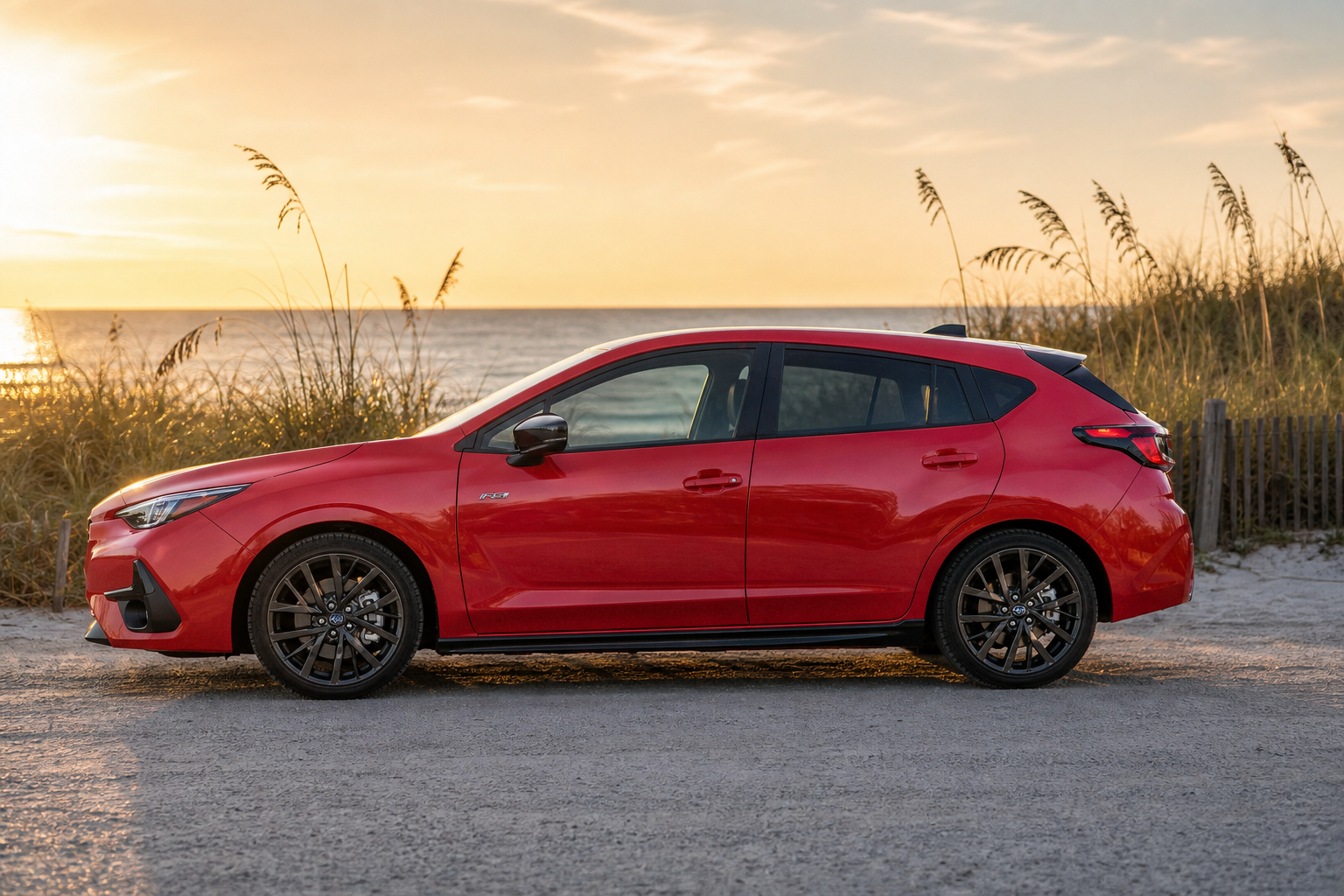
Lone crossover parked on a sandy beach access road at sunset with dunes and sea oats nearby

Living near the water in Northeast Florida means your vehicle sees sand, salt air, and the occasional soft-shoulder parking spot at Hanna Park. The good news: most of the Subaru lineup handles our coastal life well. The better news is that a few models fit certain beach routines better than others. Here's a straight look at what actually matters for Jacksonville drivers.

Which Subaru handles Jacksonville beach access roads best?

For gravel lots, packed-sand access roads, and the occasional soft shoulder around Hanna Park or Amelia Island, the Outback and Forester lead the pack. Both offer 8.7 inches of ground clearance and standard Symmetrical All-Wheel Drive, so you clear rutted approaches and rain-flooded lots without scraping or spinning.

If your beach days involve loading coolers, chairs, and a couple of boards, the Outback's longer cargo area and roof rails make it the practical pick. The Forester is a little easier to park at crowded spots like Jacksonville Beach and offers great visibility. The Crosstrek is the compact option that still carries that same 8.7 inches of clearance in a smaller footprint.

  • Outback: Most cargo room, best for gear-heavy beach and camping trips
  • Forester: Tall visibility, easy parking, roomy back seat
  • Crosstrek: Compact, nimble, same clearance in a smaller size
  • Wilderness trims (Outback, Forester, Crosstrek): Extra clearance and rugged tires if you regularly hit rougher access points

Do you need all-wheel drive for Florida beach driving?

For everyday beach trips on paved and packed surfaces, all-wheel drive is a real advantage but not a permit to drive on open sand. Florida beaches like those in Duval County generally prohibit driving on the sand, so AWD's job here is traction on wet ramps, gravel lots, and rain-slicked A1A, not dune crawling.

Every Subaru except the BRZ comes with Symmetrical All-Wheel Drive as standard equipment, which means power goes to all four wheels the moment a tire starts to slip. On a summer afternoon when a Florida thunderstorm dumps two inches in an hour, that steady grip getting out of a flooded lot is where you feel the difference.

According to the National Weather Service, Jacksonville averages roughly 52 inches of rain per year, with most of it falling between June and September. That's a lot of wet pavement between you and the sand, and it's the main reason coastal drivers here appreciate standard AWD.

How do salt air and sand affect your Subaru near the coast?

Salt air and blown sand accelerate corrosion on any vehicle, working into wheel wells, brake components, and undercarriage seams. The fix is simple and cheap: rinse the underbody regularly, especially after beach trips, and keep up with routine service. A Subaru cared for this way holds up well against coastal wear.

Here in Orange Park and across Jacksonville, we tell owners to hose down the undercarriage every couple of weeks in summer and to book an occasional inspection of brake lines and suspension hardware. Sand also loves cabin air filters and door seals, so a quick check of those keeps things comfortable.

Coastal concernSimple habit
Salt on undercarriageRinse underbody every 1–2 weeks in summer
Sand in cabin filterInspect and replace at scheduled intervals
Brake corrosionAsk for a brake inspection at service visits
Faded exteriorWash and wax before peak summer sun

What does a beach-ready Subaru cost in Jacksonville?

Pricing shifts with trim and availability, so we won't quote a naked number. As a general guide, the 2026 Subaru Crosstrek Base is the most affordable way into the lineup, the 2026 Forester Premium hits a middle ground on features and space, and the 2026 Outback Wilderness sits toward the top for gear haulers who want extra clearance.

The smartest move is to tell us how you use the beach—quick surf mornings, family cooler runs, or weekend camping toward St. Augustine—and we'll match a specific model year and trim to your budget. Current incentives change monthly, so ask us what's active before you shop.

Which Subaru is best for a family beach day versus a solo surf trip?

For family beach days with coolers, canopies, chairs, and kids, the 2026 Outback or 2026 Ascent give you the most cargo space and easy loading. For a solo surf morning or a couple heading to Ponte Vedra, the 2026 Crosstrek is compact, fuel-friendly, and simple to park at busy access points.

  • Big family days: Ascent (three rows) or Outback (long cargo bay)
  • Couples and gear: Forester for headroom and roof-rail flexibility
  • Solo or two-person runs: Crosstrek for parking and efficiency

Come see them side by side at Hanania Subaru of Orange Park—we'll help you picture your beach setup in each one before you decide.

Posted in:

Related Posts

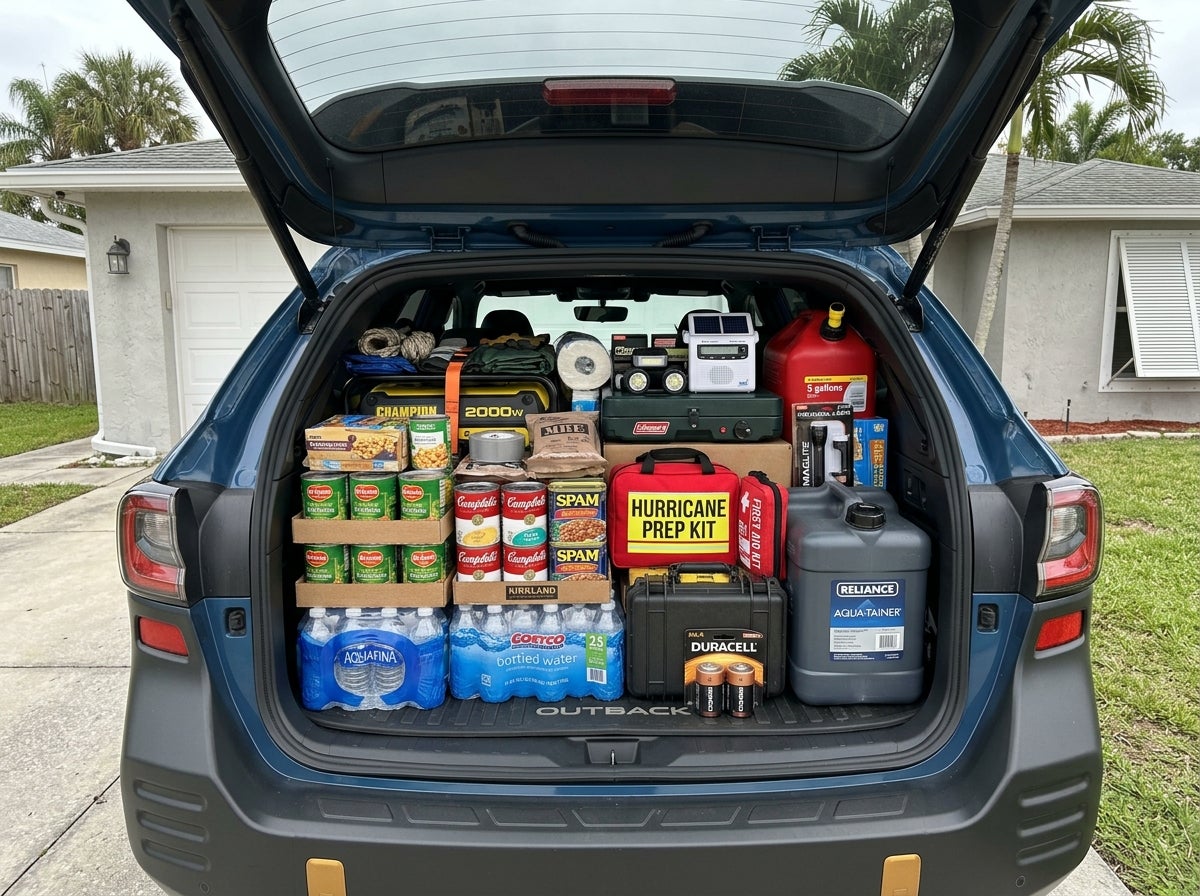
An SUV trunk packed neatly with emergency hurricane supplies, including water, canned food, and a generator. (Representative image for illustration purposes only. Actual vehicle may vary based on trim and configuration.)

Essential Subaru Maintenance for Florida Hurricane Season

The official Atlantic hurricane season spans from June 1 through November 30, bringing severe weather patterns that demand proactive vehicle maintenance. Operating a vehicle during a tropical downpour or an emergency evacuation requires every mechanical system to perform flawlessly under extreme stress. Florida’s intense summer heat accelerates the degradation of critical components, making early inspection your best defense against unexpected breakdowns. Battery health is one of the most common failure points during severe weather events. High ambient temperatures degrade battery chemistry over time, often leaving the unit with insufficient cranking power to handle the increased electrical load of maximum air conditioning, windshield wipers, and headlights running simultaneously. A professional load test is the only reliable way to determine if a battery is nearing the end of its life cycle before a storm makes landfall. Cooling systems are also subjected to intense strain during slow-moving evacuation traffic. When vehicles crawl at low speeds in high heat, there is minimal natural airflow through the radiator, forcing the electric cooling fans and the coolant itself to do all the work. Inspecting the radiator, hoses, and coolant levels prevents overheating that can lead to catastrophic engine damage. For residents in Ponte Vedra Beach, where coastal winds and salt-heavy air can accelerate the corrosion of battery terminals and the dry-rotting of windshield wiper blades, this seasonal check is particularly vital. Ensuring your wiper blades are replaced at least once a year prevents dangerous streaking that can completely obscure your vision during a tropical storm. Our certified technicians at the Subaru Service Center can perform a comprehensive multi-point inspection to ensure your vehicle is fully prepared. Even high-performance sports cars in our new Subaru performance inventory require the same rigorous cooling system and battery maintenance to handle extreme weather conditions safely. Table of Contents Inspecting Your Subaru Tires for Wet-Road Grip and Hydroplaning Defense How Subaru Symmetrical All-Wheel Drive Navigates Heavy Rain and Standing Water Assembling a Complete Emergency Roadside Kit for Florida Evacuations Identifying and Preventing Water Intrusion in Your Subaru Engine Protecting Your Subaru Investment: Insurance Coverage and Professional Service Prep Quick Answers Before You Visit Ensure Peace of Mind on the Road with Professional Subaru Care Inspecting Your Subaru Tires for Wet-Road Grip and Hydroplaning Defense Many drivers believe that all-wheel-drive traction is a substitute for tire maintenance, but even the most advanced drivetrain cannot overcome worn rubber. Tires are the sole point of contact between your vehicle and the wet pavement, and their ability to channel water determines whether you stay in control or hydroplane. Tread depth is your primary defense against hydroplaning on rain-slicked roads. While the legal minimum tread depth is 2/32 inch, safety organizations strongly recommend maintaining at least 4/32 inch of tread depth for driving in heavy rain. When tread depth drops below this level, the tire's grooves cannot evacuate water quickly enough, causing the vehicle to rise up on a thin sheet of water and lose steering and braking control. Maintaining the proper cold tire inflation pressure is equally critical. Underinflated tires flex excessively, run hotter, and have a compromised contact patch, which significantly increases the risk of hydroplaning and tire failure. All 2026 Subaru models feature a standard Tire Pressure Monitoring System that alerts the driver to significant pressure drops, but manual checks with a reliable gauge should still be performed monthly. When heavy tropical downpours hit the flat coastal plains and low-lying wetland routes around Yulee, standing water can accumulate rapidly, making proper tire tread depth your primary defense. Larger family vehicles, such as those found in our new Ascent inventory, place a significant load on their tires, making regular tread inspections even more critical before storm season. If your tires show signs of dry rot, uneven wear, or shallow tread, you can source correct replacements through our department for Genuine Subaru Parts. ​ How Subaru Symmetrical All-Wheel Drive Navigates Heavy Rain and Standing Water While front-wheel-drive vehicles often lose traction and spin their wheels when hitting deep puddles, Subaru Symmetrical All-Wheel Drive distributes power continuously to all four wheels. This standard system features a balanced, linear layout that optimizes weight distribution and power delivery, helping to maintain traction and directional stability on exceptionally wet surfaces. The system continuously monitors wheel speed and throttle input to actively shift power to the wheels with the best grip. If one tire encounters a patch of standing water and begins to slip, the system instantly reduces power to that wheel and redirects torque to the remaining wheels with secure traction. This rapid response helps prevent the vehicle from pulling to one side when traversing uneven puddles on the highway. It is important to understand that while all-wheel drive improves acceleration and directional stability on wet surfaces, it does not assist with braking. Stopping distance is entirely dependent on your braking system and the friction coefficient of your tires. Therefore, Symmetrical All-Wheel Drive should never be used as an excuse to drive at excessive speeds during heavy rain. If you drive a model from our new Forester inventory, you benefit from this standard drivetrain, which continuously monitors road conditions to optimize grip. The standard 2.5-liter engine and Lineartronic CVT work in harmony with the all-wheel-drive system to provide smooth, predictable power delivery when navigating rain-slicked roads. ​ Assembling a Complete Emergency Roadside Kit for Florida Evacuations According to state emergency management guidelines, a properly equipped vehicle is a cornerstone of storm evacuation planning. Having a dedicated, well-stocked emergency kit in your vehicle ensures that you are prepared for extended delays, road closures, or minor roadside emergencies when local services are unavailable. A comprehensive vehicle emergency kit should be stored in a durable, waterproof container in your cargo area. Your kit should include the following essential items: Heavy-duty jumper cables to address battery failures A reliable flashlight with extra batteries or a hand-crank light A first-aid kit containing bandages, antiseptics, and personal medications Bottled water (at least one gallon per person per day) and non-perishable food A portable phone charger and a fully charged backup battery pack A tire pressure gauge and basic hand tools A reflective warning triangle or flares to alert other drivers In the event of a severe breakdown or emergency situation on the road, relying on manufacturer-backed support is the safest option. Owners have access to Subaru Roadside Assistance: 1-800-261-2155, which provides comprehensive coverage, authorized towing to certified service centers, and brand-specific expertise. This service is included with your vehicle's warranty, ensuring you receive genuine parts and expert care when you need it most. Whether packing the rear cargo area of a model from our new CrossTrek Inventory or preparing a larger SUV, having these items secured in a single, accessible container is essential. Our service team can assist you in coordinating any necessary emergency parts or accessories to keep your roadside kit complete. ​ Identifying and Preventing Water Intrusion in Your Subaru Engine Driving through standing water is one of the most common ways a vehicle's engine can sustain catastrophic, irreversible damage. When water is drawn into the engine's air intake, it enters the combustion chambers; because water cannot be compressed like air, the pistons bend or break, resulting in a destroyed engine known as hydrolock. To prevent water intrusion, you must understand the limitations of your vehicle. Even models with generous ground clearance, such as those in our New Outback Inventory which feature 9.5 inches of ground clearance, are not designed to wade through deep standing water. Safety organizations warn that just six inches of water can reach the bottom of many passenger cars, causing loss of control or stalling, while a foot of water will float many vehicles. If your vehicle has been exposed to high water or minor flooding, do not attempt to start the engine. Starting a flooded engine can instantly cause severe mechanical damage. Instead, check the engine oil dipstick; if the oil appears milky, cloudy, or has a frothy texture, water has breached the crankcase. Additionally, inspect the engine's air filter; a damp or water-soaked filter indicates that water has entered the intake tract. When our service team performs inspections after a heavy storm, we often show owners how a damp air filter or a milky texture on the oil dipstick indicates that water has breached the intake system. For drivers considering a vehicle from our Certified Pre-Owned Inventory, every model undergoes a rigorous multi-point inspection to ensure there is no hidden water damage or electrical corrosion. Minor water exposure that does not cause immediate hydrolock can still lead to gradual, long-term corrosion in wiring harnesses, sensors, and electronic control modules. ​ Protecting Your Subaru Investment: Insurance Coverage and Professional Service Prep Before the peak of storm season arrives, reviewing your auto insurance policy is just as important as scheduling a mechanical inspection. Standard liability-only policies do not cover physical damage to your vehicle caused by weather events, meaning any repairs resulting from floodwaters, falling tree limbs, or wind-blown debris must be paid out of pocket. To protect your vehicle against storm damage, you must carry comprehensive coverage in advance of a storm's arrival. It is important to review your policy's declarations page to understand your specific deductibles. Many policies in coastal and storm-prone areas utilize a percentage-based deductible, such as 3% to 5% of the vehicle's insured value, for windstorm or hurricane damage, rather than a flat dollar amount. Insurers also typically restrict the purchase of new policies or coverage modifications once a named storm enters the forecast area. A professional pre-season inspection at our dealership is the most effective way to ensure your vehicle's vital systems are resilient. Our technicians will pressure-test the cooling system, perform a battery load test, inspect all belts and hoses for signs of wear, and verify that your braking system is fully functional. You can easily Schedule your service appointment online to have our team inspect your vehicle's vital systems. For drivers located in the greater Jacksonville area, you can find Get Directions to Hanania Subaru to visit our facility on Blanding Boulevard. If you have immediate questions about scheduling or parts availability, feel free to give our service team a quick call at (904) 906-1235. ​ Quick Answers Before You Visit Q: What tires come standard on Subaru Wilderness models? Subaru Wilderness models come equipped with Yokohama GEOLANDAR all-terrain tires. These tires feature a deeper, more aggressive tread pattern that provides enhanced grip on mud, gravel, and wet surfaces during severe weather. Q: What tire tread depth is recommended for wet roads in Florida? While the legal minimum tread depth is 2/32 inch, safety experts recommend a minimum of 4/32 inch for driving on wet Florida roads. This extra depth is critical for channeling water away from the tire and preventing hydroplaning. Q: How do I check if my Subaru is insured for hurricane storm and flood damage? You should review your auto insurance policy's declarations page to confirm you carry comprehensive coverage. Standard liability-only policies do not cover flood, storm surge, or falling debris damage caused by a hurricane. Q: Should you keep your Subaru’s gas tank full during hurricane season? Yes, keeping your fuel tank at least half full throughout the season is highly recommended by emergency management officials. This ensures you have enough fuel to evacuate immediately without waiting in long lines at gas stations that may run out of fuel. Q: Can minor flood exposure still cause long-term issues in my Subaru’s engine or electronics? Yes, even brief exposure to water can lead to gradual corrosion in electrical connectors, wiring harnesses, and sensors. This corrosion may not cause immediate failure but can lead to intermittent electrical issues or component failure weeks or months after the storm. ​ Ensure Peace of Mind on the Road with Professional Subaru Care Maintaining your vehicle’s mechanical integrity is the most important step you can take to protect your family and your investment before severe weather strikes. From verifying battery strength to inspecting tire tread depth and flushing vital fluids, proactive care ensures your vehicle is prepared for any situation. Our factory-trained technicians use only genuine parts to keep your vehicle performing to its original factory standards. When you purchase a new vehicle from us, you receive available warranty coverage and maintenance options. This comprehensive coverage ensures your vehicle remains in peak condition year-round without requiring you to choose between warranty protection and maintenance benefits. To have our team prepare your vehicle for the upcoming season, visit our service department at 6400 Blanding Blvd, Jacksonville, FL 32244. You can also contact our team directly at (904) 906-1235 to speak with a service advisor or schedule an inspection. © 2026 Hanania Subaru. All rights reserved.

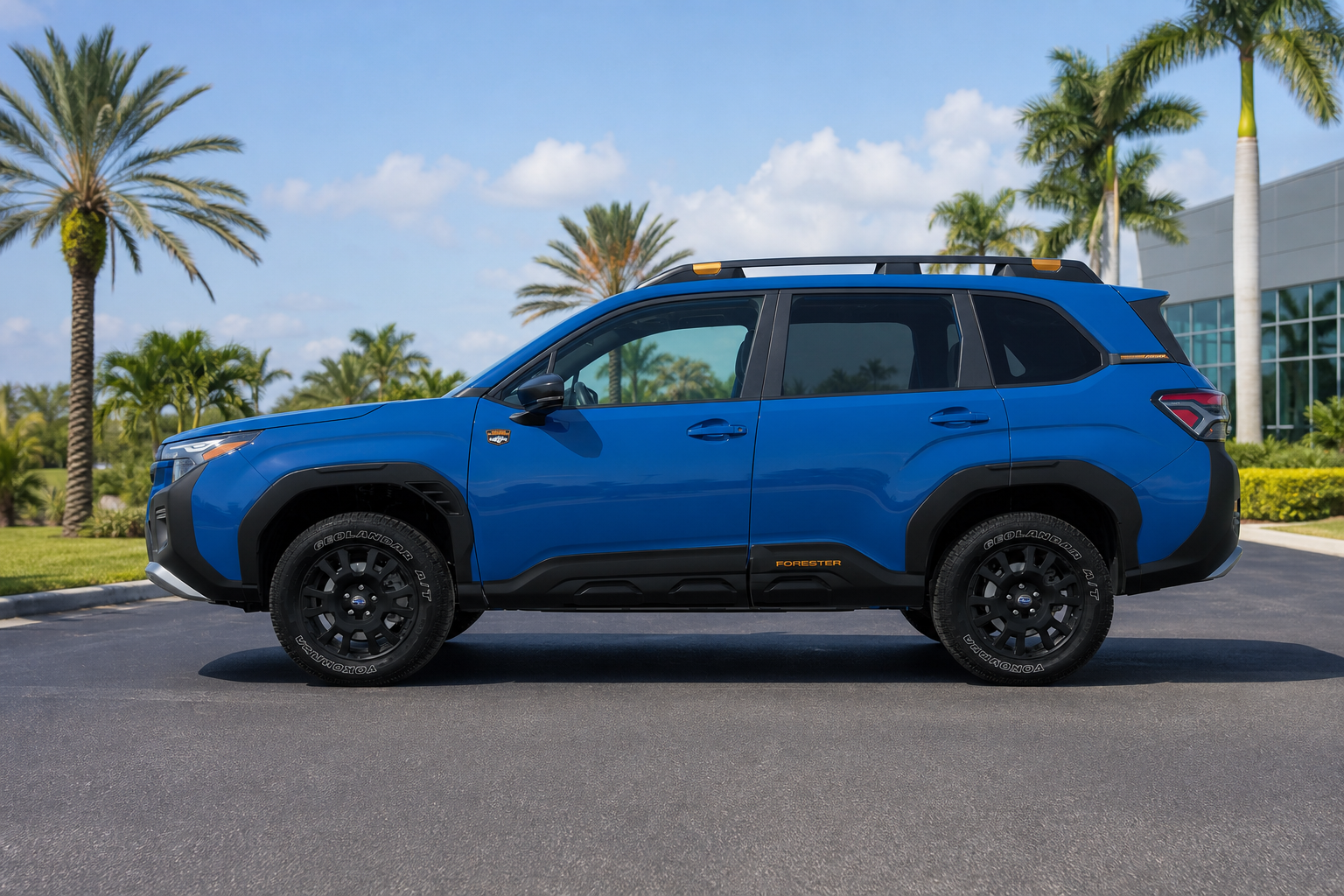
Unbadged crossover parked in a sunlit Florida dealership lot with palm trees and clear blue sky

Is Hanania Subaru of Orange Park a Good Dealership?

It's a fair question to ask before you spend an afternoon on a lot or hand over a deposit. Instead of a sales pitch, here's a plain look at how we operate, where we sit in the Jacksonville area, and how to judge us for yourself. What makes Hanania Subaru of Orange Park a good dealership? A good dealership is one that's clear about pricing, keeps your car healthy after the sale, and treats a return visit the same as a first one. At Hanania Subaru of Orange Park we lean on transparent service estimates, a factory-trained Subaru team, and a location that's easy for west-side Jacksonville and Clay County drivers to reach. The honest truth is that no dealership is perfect for every shopper. What we can promise is that you'll get the numbers before the paperwork, not after. If a repair can wait or a scheduled item doesn't apply to your driving habits, we'll say so rather than pad the ticket. Factory-trained technicians who work on Subaru vehicles every day Genuine Subaru parts for repairs and maintenance Written estimates before work begins A full Jacksonville-area service department for oil changes, brakes, and warranty work According to J.D. Power's 2024 U.S. Sales Satisfaction Index Study, satisfaction scores climb sharply when dealers explain paperwork clearly and avoid surprises at signing, source: J.D. Power. That's the bar we try to hit on every deal. How does Hanania Subaru handle service and repairs? Our service department handles routine maintenance and warranty work using genuine Subaru parts and factory-trained technicians. You get a written estimate before we start, a heads-up if something can safely wait, and a clear explanation of what each visit covers so you're never guessing at the counter. Subaru all-wheel-drive systems and boxer engines have specific maintenance needs, and Florida's heat and humidity add their own wear on batteries, cooling systems, and cabin air filters. Here's a general guide to common intervals so you can plan ahead: Service Typical interval Why it matters in Jacksonville Oil & filter change Every 6,000 miles Stop-and-go heat is hard on oil Tire rotation Every 6,000 miles Keeps all-wheel drive wearing evenly Battery check Twice a year Florida heat shortens battery life Cabin air filter ~12,000–15,000 miles Pollen and humidity clog it faster If you're not sure whether a service applies to you, ask. We'd rather explain why you can skip something than charge you for it. What should I expect when buying a car at Hanania Subaru? Expect the price and financing terms in writing before you sign, plus a walkthrough of any add-ons so you can accept or decline each one. We disclose model year and trim on every quote, and we'll go over Subaru warranty coverage and current factory programs that apply to the vehicle you're actually considering. Test drives, trade-in appraisals, and financing conversations don't require a commitment. If you're comparing a 2026 Subaru Outback trim against a 2026 Forester, for example, we'll break down the differences in cargo space, ground clearance, and features so you're choosing on facts, not pressure. Where is Hanania Subaru of Orange Park located? Hanania Subaru of Orange Park serves the Jacksonville, Florida area from the Orange Park side of the metro, making it convenient for drivers in Clay County, Argyle, Oakleaf, and southwest Jacksonville. Call or check our website for current hours and directions before you head over, especially for the service department. Because we're on the west side, many shoppers find the drive shorter and the parking easier than heading toward the beaches or downtown. If you're coming from farther out, scheduling a service appointment ahead of time keeps your wait short. How can I decide if it's the right dealership for me? Judge us the way you'd judge any dealership: read recent reviews, call with a specific question and see how clearly it's answered, and ask for an out-the-door number in writing. A good dealership welcomes those requests. If the answers are straight and the estimate is in writing, you have what you need to decide. Read a mix of recent Google and third-party reviews Ask for a written, itemized quote with model year and trim listed Test-drive before you talk numbers Confirm service hours and appointment options for your schedule Written by Dana L., Finance Manager (Finance) at Hanania Subaru of Orange Park

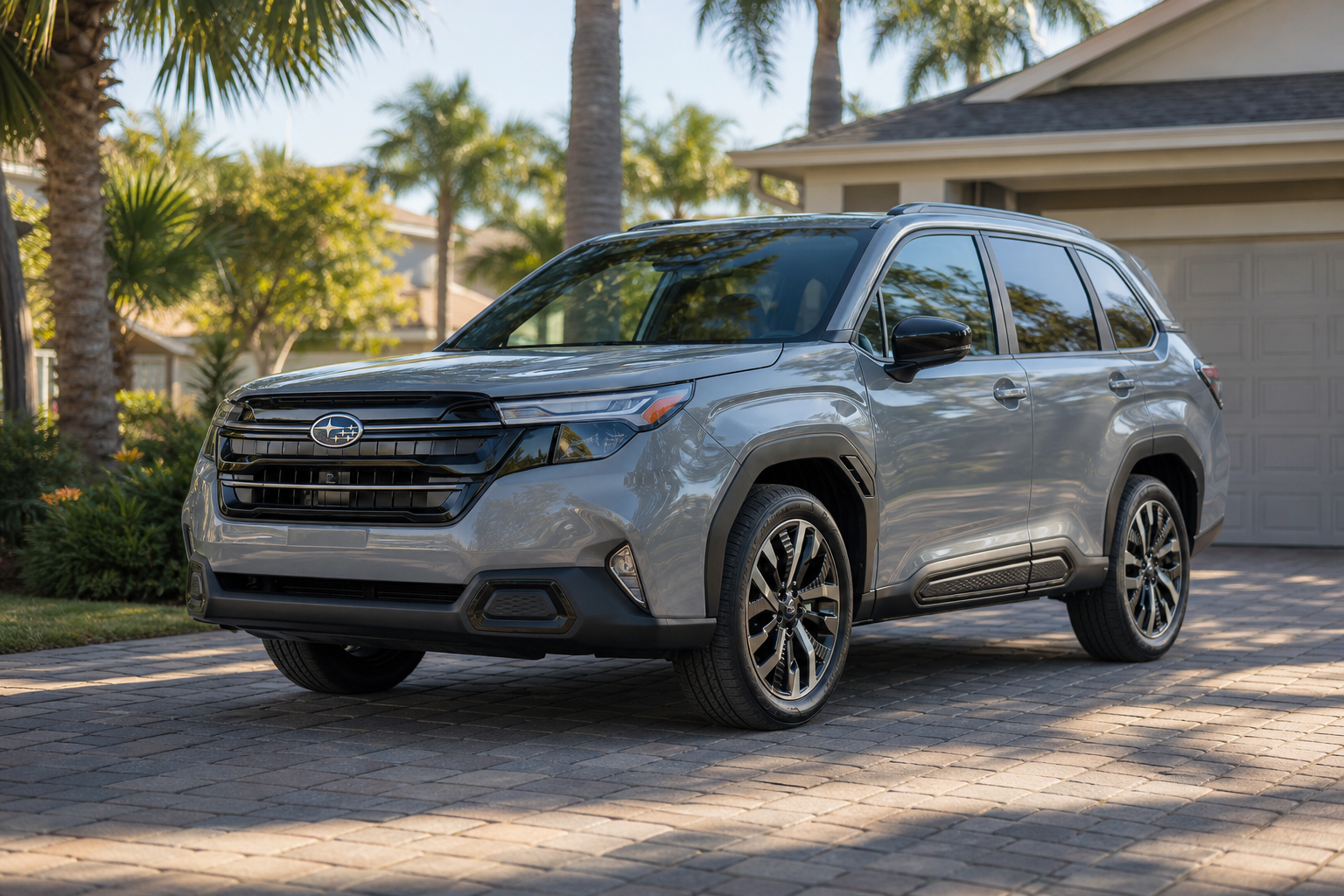
Unbadged compact SUV parked in a palm-lined Jacksonville driveway in warm morning light

2026 Subaru Forester Lease in Jacksonville: What to Know

Leasing gets confusing fast, so we'll keep this plain. Below is how a 2026 Subaru Forester lease in Jacksonville actually works, what drives the monthly payment, and the questions worth asking before you sign. No jargon, no surprises at the counter. What does it cost to lease a 2026 Subaru Forester in Jacksonville? Your monthly payment is built from four things: the negotiated price, the residual value at lease end, the money factor (interest), and Florida taxes and fees. Because published lease specials change often, the current 2026 Forester Base and Premium trim offers live on our specials page rather than a fixed number here that could go stale. A few local specifics matter. Florida sales tax applies to each monthly payment, and Duval County adds a discretionary surtax on the first portion of the price. Dealer and state fees, plus your down payment or any trade equity, all shift the number. When you ask for a quote, ask for the drive-off amount and the monthly payment together so nothing hides. Negotiated price: the selling price you agree to, before taxes and fees. Residual value: what Subaru estimates the vehicle is worth at lease end. Money factor: the lease version of an interest rate. Term and mileage: usually 36 months and 10,000 or 12,000 miles a year. How does leasing a 2026 Subaru Forester compare to buying? Leasing usually means a lower monthly payment and a new vehicle every three years, but you don't build ownership and mileage is capped. Buying costs more per month yet ends with a vehicle you own free and clear. The right choice comes down to your annual mileage and how long you like to keep a car. Here's a side-by-side to make the trade-offs easy to scan. Factor Leasing Buying Monthly payment Typically lower Typically higher Mileage Capped (10k–15k/yr) Unlimited End of term Return, buy, or re-lease You own it Customization Limited (return in stock condition) Do as you like Best for Predictable, lower miles High miles, long-term keep If you drive from Orange Park to downtown Jacksonville daily and rack up highway miles, buying often pencils out better. If you prefer a fresh Forester and warranty coverage the whole time you drive it, leasing fits neatly. Why does the Subaru Forester hold its value well on a lease? Strong resale value directly helps lease math, because a higher residual value lowers your monthly payment. The Forester has a solid track record here. An iSeeCars study of five-year depreciation found the Subaru Forester retained roughly 60% of its value, well above the average vehicle, which loses closer to half over the same span. That retention shows up in third-party recognition too. Kelley Blue Book has named the Subaru Forester to its Best Resale Value Awards list in the compact SUV segment across multiple recent model years. For a lease, a car that depreciates slowly means Subaru can set a higher residual, and that keeps your payment leaner without you doing anything extra. What lease terms and mileage limits should I ask about? Ask about term length, annual mileage allowance, the per-mile overage charge, and the disposition fee due at return. Most 2026 Forester leases run 36 months with a 10,000- or 12,000-mile yearly allowance. Picking the right mileage tier up front is almost always cheaper than paying overage fees at the end. Before you sign, walk through this quick checklist: What is the total drive-off (first payment, fees, any down payment)? What annual mileage is included, and what's the per-mile charge over it? Is there a disposition fee at lease end, and how much? What counts as normal wear versus a chargeable ding or scratch? Can I buy the Forester at lease end, and at what price? Wear-and-tear expectations catch people off guard, so get them in writing. And if your commute grows mid-lease, ask early about mileage options rather than waiting for a bill at turn-in. Ready to run the numbers? The cleanest way to size up a 2026 Subaru Forester lease in Jacksonville is to check the live specials for the trim you want, then ask us to build a full quote with drive-off and monthly payment side by side. Bring your annual mileage estimate and any trade details, and we'll show you exactly how the payment comes together. Written by Dana L., Finance Manager, Finance at Hanania Subaru of Orange Park