Hanania Subaru of Orange Park

Blog

What You Should Know About AWD and Tire Wear – An Expert Take from Hanania Subaru in Jacksonville

Hello, I’m Bill Rogers, Service Director here at Hanania Subaru with over three years of hands-on experience helping Jacksonville drivers keep their vehicles in top shape. I want to share some insights about a question I hear a lot from our customers around the dealership and service bays: Does AWD make tires wear faster? It’s a nuanced topic, so let me break down everything you need to know about how AWD affects your tires, how to maximize tire life, and why choosing the right Subaru with proper maintenance can make all the difference.

If you’re in the Jacksonville area, including places like Orange Park, Middleburg, or Ponte Vedra Beach, and you’re curious about how AWD impacts your Subaru’s tires, you’ve come to the right place. Feel free to call us anytime at (904) 906-1235 or stop by our showroom at 6400 Blanding Blvd, Jacksonville, FL 32244.

Let’s dive in.

How AWD Can Impact Tire Wear

All-Wheel Drive (AWD) systems like those found in Subaru models are designed to deliver power to all four wheels simultaneously, which boosts traction and control, especially useful here in Jacksonville’s variable weather and road conditions. But here’s the catch: Because AWD vehicles put power through all four tires, there’s naturally more wear distributed across the entire set compared to front-wheel or rear-wheel drive vehicles.

AWD systems add a bit more weight and mechanical complexity, which means your tires may experience slightly more strain, especially if you drive aggressively or neglect regular maintenance. That said, AWD itself doesn’t automatically mean your tires will wear out quicker — how you care for your tires is just as important.

In my experience servicing Subaru vehicles across nearby communities like Neptune Beach and Atlantic Beach, I’ve seen AWD setups that wear tires quite evenly when maintained properly. The opposite is also true if tires aren’t rotated regularly or inflated properly. That’s why proactive tire care is critical.

Best Practices to Promote Even Tire Wear on Your AWD Subaru

One of the top things I always emphasize is regular tire rotation. Subaru recommends rotating tires roughly every 5,000 miles or at each oil change. This simple step ensures tread wear is balanced across all four tires, which helps prolong their lifespan and protect your AWD drivetrain from uneven stress.

Another key factor is tire pressure. Keep your tires inflated to the recommended PSI found in your owner's manual or the sticker inside the driver’s door. Proper inflation prevents uneven wear and improves fuel efficiency, which is a big plus around Jacksonville’s busy streets and highways.

Replacing all four tires at once is ideal — especially on AWD vehicles — because tires with uneven tread depths can cause your AWD system to work harder, potentially leading to costly repairs. If you’re curious about the value of your current vehicle and considering an upgrade to a new Subaru with AWD, check out our easy-to-use tool to Get Trade Value.

If you notice uneven tire wear or handling issues, getting your alignment checked promptly can save you from premature tire replacement. Our Subaru Service Center is ready to help with expert alignment service and genuine Subaru parts to keep your ride smooth and safe.

Is AWD Worth It for Everyday Driving in Jacksonville?

Living in Jacksonville and commuting through its suburban neighborhoods like Orange Park and Middleburg, I can tell you AWD is absolutely worth it for everyday driving. AWD systems automatically adjust power delivery to wheels with the best traction, making slick spots, rainy days, and sandy beach routes safer and less stressful.

Unlike traditional 4WD, which requires manual engagement, Subaru’s AWD works seamlessly without driver input. This is a major benefit for busy professionals and families juggling daily errands and weekend adventures. If you’re interested in exploring our full lineup, you can browse the latest New Subaru Inventory, including popular AWD-equipped models like the Outback and Forester.

Does AWD Increase the Risk of Hydroplaning? Here’s What I’ve Learned

Many drivers worry that AWD might make hydroplaning worse, especially during Jacksonville’s rainy season or while driving near Ponte Vedra Beach. The truth is, AWD helps maintain traction by distributing power to all wheels, enhancing stability on wet roads. However, AWD doesn’t prevent hydroplaning altogether — that depends more on tire quality, tread depth, and speed.

I strongly recommend equipping your Subaru with tires suited for Florida’s wet climate and maintaining proper tire pressure. Pairing AWD with quality tires and cautious driving reduces hydroplaning risk significantly. If you’re looking for tires that offer durability and traction, our parts department offers Genuine Subaru Parts and tires designed to keep your AWD system working at its best.

Which Tires Wear Out the Fastest on Your AWD Vehicle?

In my experience, front tires on AWD vehicles usually wear faster due to the extra steering and braking forces they handle, especially around Jacksonville’s roundabouts and busy intersections. The left front tire often wears the quickest because it bears the most load during right turns — a fact confirmed by tire experts.

To maximize tire life, regular rotations and monitoring tread depth are crucial. If you’re hunting for a reliable pre-owned Subaru with AWD and well-maintained tires, check out our Certified Pre-Owned Inventory for peace of mind.

What Are the Drawbacks of AWD I’ve Seen Over the Years?

While AWD offers fantastic traction and confidence, it isn’t without trade-offs. AWD Subaru models typically have slightly lower fuel efficiency due to added weight. Tires might wear a little faster if maintenance is neglected. Also, AWD systems add mechanical complexity, which can lead to higher repair costs compared to 2WD vehicles.

Still, the benefits for Jacksonville families and active drivers far outweigh these downsides. Our team at Hanania Subaru can walk you through all the details to help you decide which vehicle and drivetrain fit your lifestyle best.

Does Driving Slower Help Your Tires Last Longer?

Absolutely. I always advise customers to avoid aggressive acceleration, hard braking, and fast cornering. Driving smoother at slower speeds generates less heat in your tires, reducing tread breakdown. This is especially helpful in Jacksonville’s stop-and-go traffic and during trips to nearby areas like Atlantic Beach.

Combine gentle driving with routine tire pressure checks and rotations, and you’ll extend your tire life substantially. For tire maintenance or replacements, our Schedule your service appointment online and let our technicians provide trusted care.

Why the 3% Rule Matters When Changing Tires on AWD Vehicles

If you ever need to replace tires, here’s a crucial tip: the overall diameter of replacement tires should not differ from the originals by more than 3%. This protects your AWD system by ensuring all four wheels rotate in harmony. Incompatible tire sizes can cause your AWD system to malfunction, leading to costly drivetrain damage.

When shopping for tires or wagons, tools like online tire calculators and consulting with our service experts at Hanania Subaru can help you stick to this rule. This ensures your AWD vehicle maintains optimum performance without putting extra strain on components.

Why AWD Might Not Be Enough in Snow Without Snow Tires

Jacksonville may not see heavy snow, but many of our customers travel to colder areas nearby. AWD can improve traction but it isn’t magic. Without proper winter tires, AWD vehicles may struggle with braking and cornering on snow or ice. Winter tires with specialized rubber compounds and tread patterns are essential for maximum safety in those conditions.

Planning a trip to snowy mountain areas? Ask about winter tire options and snow chains when you visit or call us at (904) 906-1235.

Choosing the Longest Lasting Tires for Your Subaru AWD

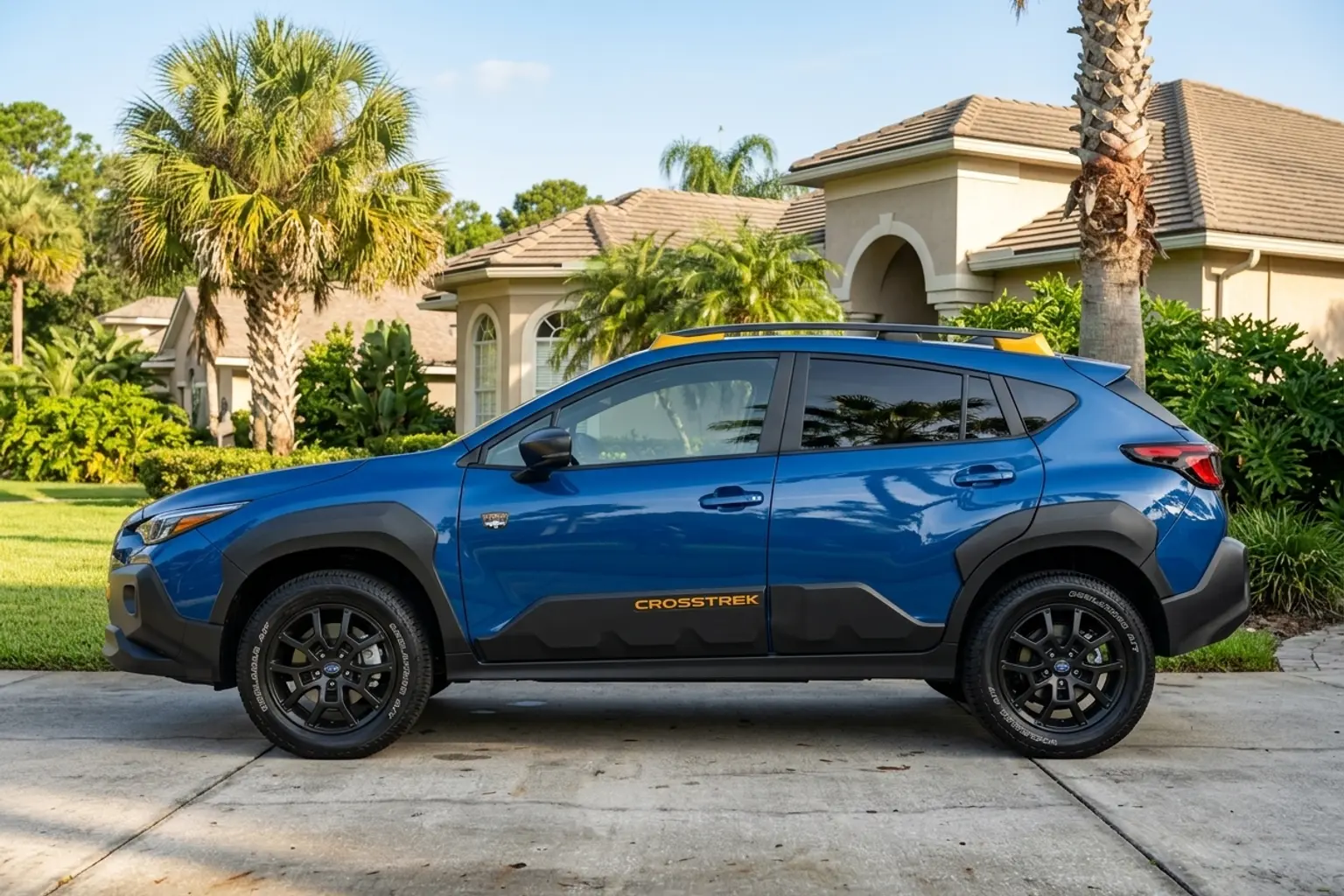
If you want tires that offer both durability and all-season performance, I recommend considering models like the Michelin CrossClimate2 or Goodyear Assurance MaxLife, both known for longevity and excellent traction. These tires fit well with the AWD system on vehicles like the Subaru Ascent or Crosstrek, available in our New Ascent Inventory and New CrossTrek Inventory.

Our team can help you select tires that match your driving style and local road conditions to keep you safe and comfortable.

Maintenance Tips: Maintenance Tips: AWD Maintenance Considerations

Yes, AWD vehicles come with additional maintenance considerations. The transfer case and differentials require regular fluid changes to keep the system functioning properly. Tires must be replaced in sets to prevent drivetrain damage. Here at Hanania Subaru, we offer expert maintenance tailored specifically for AWD systems. Schedule your next service at our Subaru Service Center to keep your AWD running smoothly.

How Long Should Tires Last on Your AWD Subaru?

With good care — regular rotations every 5,000 miles, proper inflation, and alignment checks — tires on your AWD Subaru can last anywhere from 30,000 to 80,000 miles depending on tire type and driving habits. Most drivers in Jacksonville see an average life around 50,000 miles. Monitoring tread depth is key so you replace tires before safety is compromised.

Why AWD Tires Must Match Exactly

AWD systems rely on uniform tire size, tread depth, and type for balanced power delivery. Mismatched tires can cause uneven wheel spin, confuse your vehicle’s electronic controls, and increase wear on drivetrain components. You’ll find more on this topic in our service center or by consulting with our tire experts.

If you’re ready to explore Subaru’s AWD lineup or need expert advice on tire care, I invite you to visit us at 6400 Blanding Blvd, Jacksonville, FL 32244. For immediate assistance, call (904) 906-1235.

Don’t forget to browse our All Used Inventory or check out our New Subaru Performance Inventory if you’re looking for sporty AWD options.

Finally, whether you’re here for a test drive, maintenance, or parts, Hanania Subaru provides the peace of mind that comes with our Genuine Subaru Parts and exclusive trade-in tool to get the best value out of your current vehicle.

Thanks for reading, and I look forward to helping you make the most of your AWD Subaru experience.

© 2025 Hanania Subaru
Recommended Posts

An unbadged SUV parked in a Florida driveway on a sunny morning with palm trees behind it

How Long Do Subaru Engines Last? A Jacksonville Tech Explains

Down here in Jacksonville, heat, humidity, and stop-and-go traffic on I-295 put real stress on any engine. Owners ask me all the time whether their Subaru will hold up over the long haul. The honest answer is that these engines are built to run a long time, but how long depends a lot on how you treat them. Here's the straight talk from the service bay. How long do Subaru engines last? With consistent maintenance, most modern Subaru engines last 200,000 to 250,000 miles, and plenty cross 300,000. That's roughly 13 to 17 years at typical driving of about 15,000 miles a year. Skipped oil changes and ignored leaks are what cut that number short, not the engine design itself. The Subaru boxer engine sits flat and low, which helps with balance and vibration. That layout is durable, but it also means routine care matters. When you keep up with oil, coolant, and timing components, the powertrain tends to outlast the rest of the car. What shortens a Subaru engine's life the most? The biggest killers are low oil and overheating. Running an engine low on oil accelerates wear on bearings and rings, while chronic overheating warps components and damages gaskets. In our humid Florida climate, neglected cooling systems and old, degraded coolant are common culprits behind premature failures we see in the shop. Here are the habits that shorten engine life fastest: Stretching oil changes far past the interval Ignoring small leaks until they become big ones Letting the temperature gauge climb without pulling over Using the wrong oil grade or cheap filters Skipping cooling-system service in a hot climate According to a 2023 iSeeCars study of vehicles reaching 200,000 miles, Subaru models appeared among the brands most likely to hit that mark, which lines up with what we see on high-mileage cars that were maintained on schedule. What maintenance helps a Subaru engine reach 200,000 miles? Regular oil and filter changes, fresh coolant, and clean air filters do the heavy lifting. Address leaks early, replace spark plugs on schedule, and keep an eye on the cooling system, especially in Jacksonville heat. Following the factory maintenance schedule is the single most reliable way to reach 200,000 miles and beyond. Here's a simple reference for common service intervals on many recent Subaru engines. Always confirm against your specific model year and owner's manual. Service Typical interval Engine oil & filter Every 6,000 miles or 6 months Engine air filter Every 30,000 miles Spark plugs Around 60,000 miles Coolant First at 137,500 miles, then every 75,000 Cabin air filter Every 12,000 miles If you're driving mostly short trips or sitting in heavy traffic, treat your car as a severe-duty case and lean toward the shorter end of every interval. Our service team at Hanania Subaru of Orange Park is happy to look over a high-mileage engine and tell you honestly what it needs and what can wait. Written by Mike R., Master Subaru Technician (Service) at Hanania Subaru of Orange Park

Unbadged crossover parked in a sunlit Florida dealership lot with palm trees and clear blue sky

Is Hanania Subaru of Orange Park a Good Dealership?

It's a fair question to ask before you spend an afternoon on a lot or hand over a deposit. Instead of a sales pitch, here's a plain look at how we operate, where we sit in the Jacksonville area, and how to judge us for yourself. What makes Hanania Subaru of Orange Park a good dealership? A good dealership is one that's clear about pricing, keeps your car healthy after the sale, and treats a return visit the same as a first one. At Hanania Subaru of Orange Park we lean on transparent service estimates, a factory-trained Subaru team, and a location that's easy for west-side Jacksonville and Clay County drivers to reach. The honest truth is that no dealership is perfect for every shopper. What we can promise is that you'll get the numbers before the paperwork, not after. If a repair can wait or a scheduled item doesn't apply to your driving habits, we'll say so rather than pad the ticket. Factory-trained technicians who work on Subaru vehicles every day Genuine Subaru parts for repairs and maintenance Written estimates before work begins A full Jacksonville-area service department for oil changes, brakes, and warranty work According to J.D. Power's 2024 U.S. Sales Satisfaction Index Study, satisfaction scores climb sharply when dealers explain paperwork clearly and avoid surprises at signing, source: J.D. Power. That's the bar we try to hit on every deal. How does Hanania Subaru handle service and repairs? Our service department handles routine maintenance and warranty work using genuine Subaru parts and factory-trained technicians. You get a written estimate before we start, a heads-up if something can safely wait, and a clear explanation of what each visit covers so you're never guessing at the counter. Subaru all-wheel-drive systems and boxer engines have specific maintenance needs, and Florida's heat and humidity add their own wear on batteries, cooling systems, and cabin air filters. Here's a general guide to common intervals so you can plan ahead: Service Typical interval Why it matters in Jacksonville Oil & filter change Every 6,000 miles Stop-and-go heat is hard on oil Tire rotation Every 6,000 miles Keeps all-wheel drive wearing evenly Battery check Twice a year Florida heat shortens battery life Cabin air filter ~12,000–15,000 miles Pollen and humidity clog it faster If you're not sure whether a service applies to you, ask. We'd rather explain why you can skip something than charge you for it. What should I expect when buying a car at Hanania Subaru? Expect the price and financing terms in writing before you sign, plus a walkthrough of any add-ons so you can accept or decline each one. We disclose model year and trim on every quote, and we'll go over Subaru warranty coverage and current factory programs that apply to the vehicle you're actually considering. Test drives, trade-in appraisals, and financing conversations don't require a commitment. If you're comparing a 2026 Subaru Outback trim against a 2026 Forester, for example, we'll break down the differences in cargo space, ground clearance, and features so you're choosing on facts, not pressure. Where is Hanania Subaru of Orange Park located? Hanania Subaru of Orange Park serves the Jacksonville, Florida area from the Orange Park side of the metro, making it convenient for drivers in Clay County, Argyle, Oakleaf, and southwest Jacksonville. Call or check our website for current hours and directions before you head over, especially for the service department. Because we're on the west side, many shoppers find the drive shorter and the parking easier than heading toward the beaches or downtown. If you're coming from farther out, scheduling a service appointment ahead of time keeps your wait short. How can I decide if it's the right dealership for me? Judge us the way you'd judge any dealership: read recent reviews, call with a specific question and see how clearly it's answered, and ask for an out-the-door number in writing. A good dealership welcomes those requests. If the answers are straight and the estimate is in writing, you have what you need to decide. Read a mix of recent Google and third-party reviews Ask for a written, itemized quote with model year and trim listed Test-drive before you talk numbers Confirm service hours and appointment options for your schedule Written by Dana L., Finance Manager (Finance) at Hanania Subaru of Orange Park

used-subaru-outback-for-sale-jacksonville

Used Subaru Outback for Sale in Jacksonville: A Buyer's Guide

The Subaru Outback is one of the most-requested used vehicles we see walk through the door in Orange Park, and it's easy to understand why: standard all-wheel drive, plenty of cargo room, and a reputation for going the distance. But a used vehicle is only a good deal if you know what you're buying. Below is a straight-talk guide to shopping for a used Subaru Outback here in Jacksonville, including what to inspect, what the different model years actually cost, and how the car handles Florida heat and afternoon downpours. What should I look for in a used Subaru Outback in Jacksonville? Focus on maintenance history, tire condition, and the head gasket and CVT transmission on higher-mileage cars. Ask for service records, confirm the all-wheel-drive system engages smoothly, and check that the air conditioning blows cold quickly \u2014 non-negotiable in Jacksonville. A clean vehicle history report and a recent inspection matter more than a shiny exterior. Here's a quick pre-purchase checklist we walk our own used inventory through: Service records: Look for regular oil changes and any CVT fluid service on cars over 60,000 miles. Tires: Subaru all-wheel drive works best with four evenly worn tires; heavily mismatched tread can stress the drivetrain. Air conditioning: Confirm it cools fast and stays cold at idle \u2014 humid Florida traffic is the real test. Leaks and gaskets: Check for oil residue around the engine on 2013\u20132014 four-cylinder models. Electronics: Test the infotainment screen, backup camera, and EyeSight driver-assist features if equipped. How much does a used Subaru Outback cost in Jacksonville? Prices swing with model year, trim, and mileage. In the current 2026 market, older well-kept examples like a 2017 Subaru Outback 2.5i Premium tend to sit in the mid-teens, while a lower-mileage 2021 Subaru Outback Limited often lands in the mid-to-upper twenties. Certified pre-owned units carry a modest premium for the added factory warranty coverage. These are general local ranges to help you set expectations \u2014 the exact figure depends on condition, options, and current inventory: Model Year & Trim Typical Mileage General Price Range 2016 Subaru Outback 2.5i 90k\u2013120k Low teens 2018 Subaru Outback 2.5i Premium 60k\u201390k Mid-to-upper teens 2020 Subaru Outback Premium 40k\u201370k Low-to-mid twenties 2022 Subaru Outback Limited 25k\u201350k Upper twenties Used vehicles keep dominating buyer interest: according to Cox Automotive, roughly 36 million used cars changed hands in the U.S. in a recent year, far outpacing new sales. That volume is part of why a well-maintained Outback holds its value \u2014 demand stays steady. Which used Subaru Outback model years are the best buy? For value and reliability, the 2018\u20132022 range is a strong sweet spot. The 2015\u20132019 generation is proven and affordable, while the redesigned 2020-and-newer models add a bigger touchscreen and updated safety tech. If you want the fewest known quirks, target 2018 or later, when the CVT and infotainment had matured. Budget-focused: 2015\u20132017 Subaru Outback \u2014 lots of choices, lower entry cost, watch mileage. Balanced pick: 2018\u20132019 Subaru Outback \u2014 refined drivetrain and available EyeSight safety features. Newer tech: 2020\u20132022 Subaru Outback \u2014 larger screen, more standard driver assistance, still plenty of warranty life on many units. Is a used Subaru Outback good for Florida driving? Yes. The Outback handles Jacksonville life well: all-wheel drive adds grip during summer thunderstorm downpours, the ground clearance shrugs off flooded intersections better than a low sedan, and the cargo area swallows beach gear or a Costco run. The main Florida concern is a strong air-conditioning system, so verify cooling performance before you buy. Ground clearance around 8.7 inches on recent model years also makes it comfortable on unpaved boat-ramp approaches and rutted trailhead lots \u2014 handy for anyone heading toward the coast or the springs on weekends. Should I buy certified pre-owned or a standard used Subaru Outback? It depends on how much peace of mind you want. A Subaru Certified Pre-Owned Outback comes with a factory-backed powertrain warranty extension and a multi-point inspection, which reduces surprise repair costs. A standard used Outback usually costs less up front, making it a smart choice if the vehicle has strong records and you plan a thorough independent inspection. Whichever route you choose, we're happy to show you the history report and let you take a real test drive around Orange Park before you commit. Stop by Hanania Subaru of Orange Park or check current used inventory online to see what's on the lot this week. Written by Dana L., Finance Manager (Finance) at Hanania Subaru of Orange Park