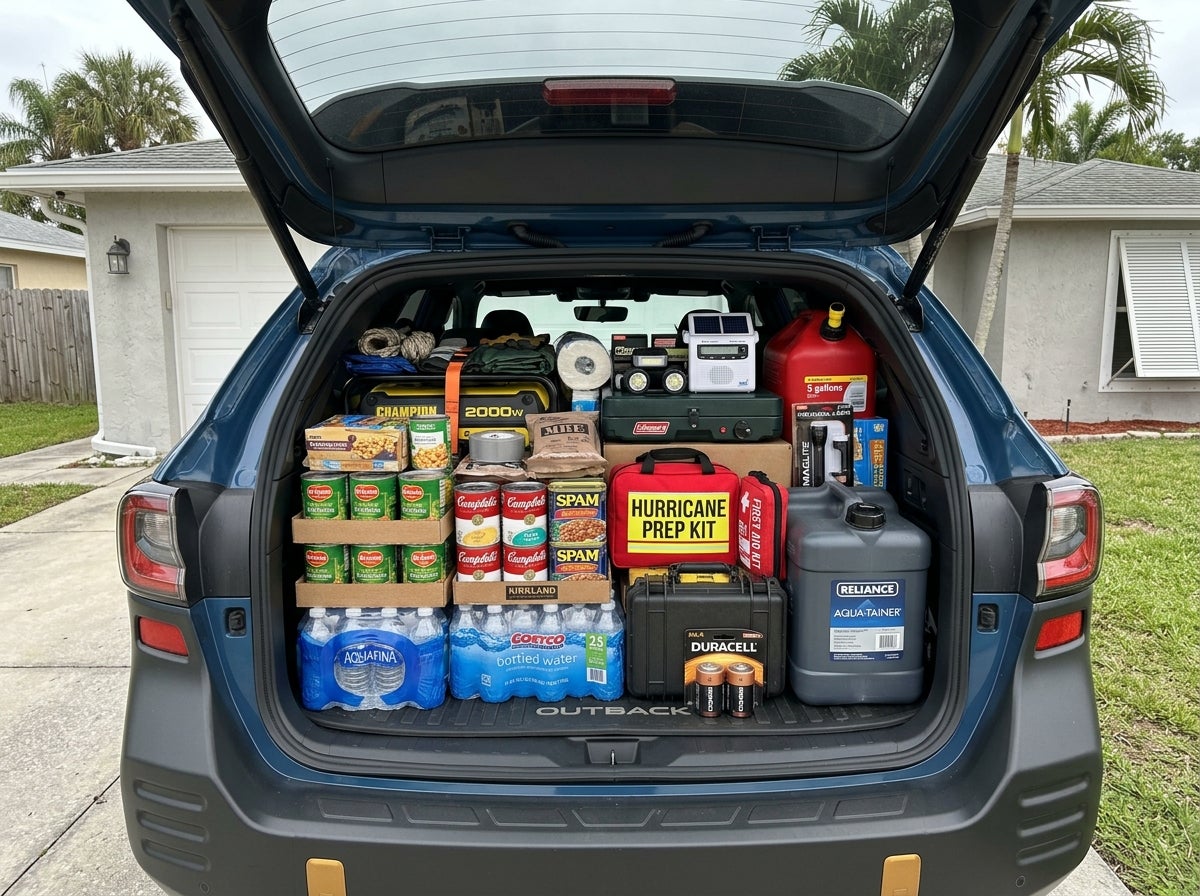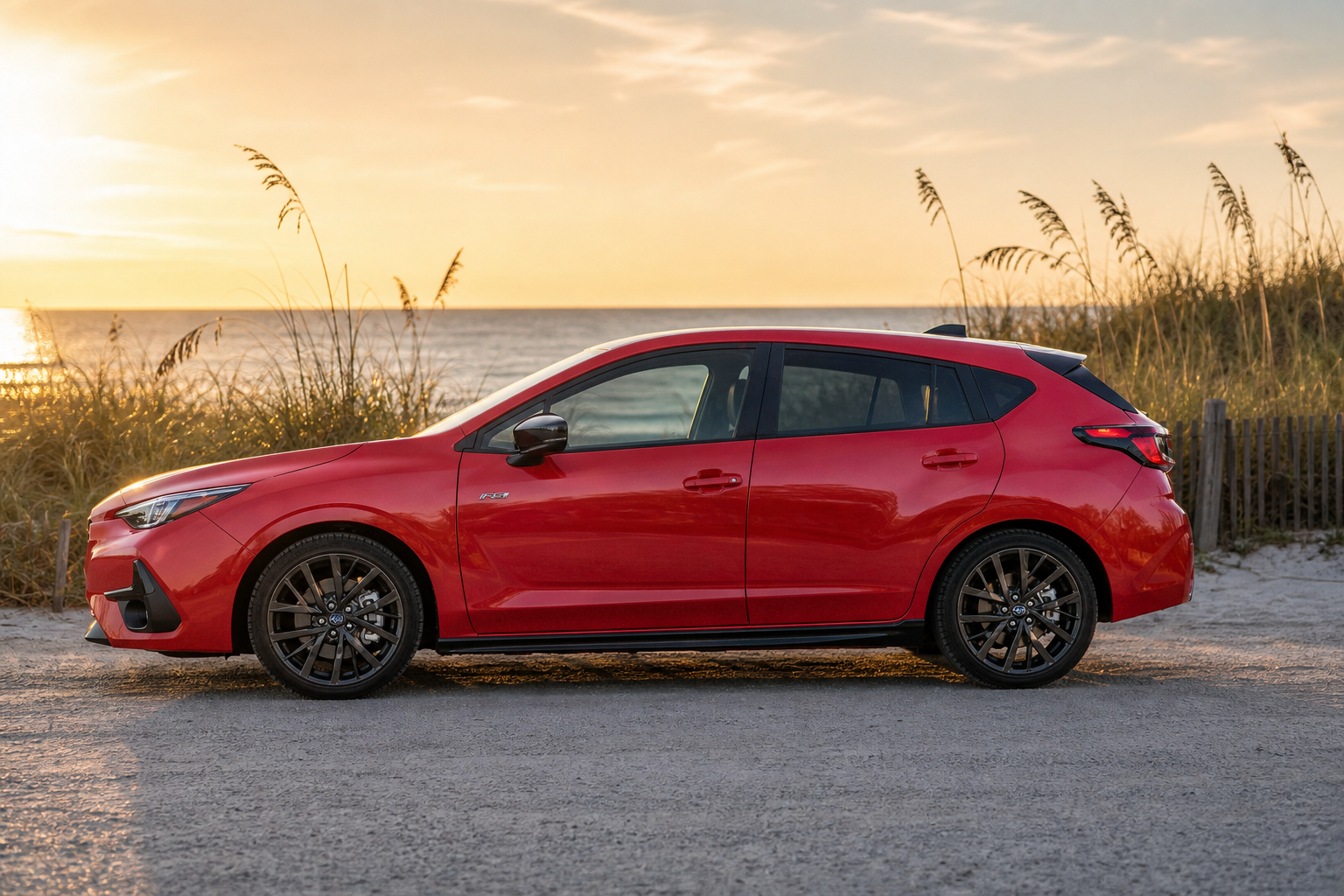

The official Atlantic hurricane season spans from June 1 through November 30, bringing severe weather patterns that demand proactive vehicle maintenance. Operating a vehicle during a tropical downpour or an emergency evacuation requires every mechanical system to perform flawlessly under extreme stress. Florida’s intense summer heat accelerates the degradation of critical components, making early inspection your best defense against unexpected breakdowns. Battery health is one of the most common failure points during severe weather events. High ambient temperatures degrade battery chemistry over time, often leaving the unit with insufficient cranking power to handle the increased electrical load of maximum air conditioning, windshield wipers, and headlights running simultaneously. A professional load test is the only reliable way to determine if a battery is nearing the end of its life cycle before a storm makes landfall. Cooling systems are also subjected to intense strain during slow-moving evacuation traffic. When vehicles crawl at low speeds in high heat, there is minimal natural airflow through the radiator, forcing the electric cooling fans and the coolant itself to do all the work. Inspecting the radiator, hoses, and coolant levels prevents overheating that can lead to catastrophic engine damage. For residents in Ponte Vedra Beach, where coastal winds and salt-heavy air can accelerate the corrosion of battery terminals and the dry-rotting of windshield wiper blades, this seasonal check is particularly vital. Ensuring your wiper blades are replaced at least once a year prevents dangerous streaking that can completely obscure your vision during a tropical storm. Our certified technicians at the Subaru Service Center can perform a comprehensive multi-point inspection to ensure your vehicle is fully prepared. Even high-performance sports cars in our new Subaru performance inventory require the same rigorous cooling system and battery maintenance to handle extreme weather conditions safely. Table of Contents Inspecting Your Subaru Tires for Wet-Road Grip and Hydroplaning Defense How Subaru Symmetrical All-Wheel Drive Navigates Heavy Rain and Standing Water Assembling a Complete Emergency Roadside Kit for Florida Evacuations Identifying and Preventing Water Intrusion in Your Subaru Engine Protecting Your Subaru Investment: Insurance Coverage and Professional Service Prep Quick Answers Before You Visit Ensure Peace of Mind on the Road with Professional Subaru Care Inspecting Your Subaru Tires for Wet-Road Grip and Hydroplaning Defense Many drivers believe that all-wheel-drive traction is a substitute for tire maintenance, but even the most advanced drivetrain cannot overcome worn rubber. Tires are the sole point of contact between your vehicle and the wet pavement, and their ability to channel water determines whether you stay in control or hydroplane. Tread depth is your primary defense against hydroplaning on rain-slicked roads. While the legal minimum tread depth is 2/32 inch, safety organizations strongly recommend maintaining at least 4/32 inch of tread depth for driving in heavy rain. When tread depth drops below this level, the tire's grooves cannot evacuate water quickly enough, causing the vehicle to rise up on a thin sheet of water and lose steering and braking control. Maintaining the proper cold tire inflation pressure is equally critical. Underinflated tires flex excessively, run hotter, and have a compromised contact patch, which significantly increases the risk of hydroplaning and tire failure. All 2026 Subaru models feature a standard Tire Pressure Monitoring System that alerts the driver to significant pressure drops, but manual checks with a reliable gauge should still be performed monthly. When heavy tropical downpours hit the flat coastal plains and low-lying wetland routes around Yulee, standing water can accumulate rapidly, making proper tire tread depth your primary defense. Larger family vehicles, such as those found in our new Ascent inventory, place a significant load on their tires, making regular tread inspections even more critical before storm season. If your tires show signs of dry rot, uneven wear, or shallow tread, you can source correct replacements through our department for Genuine Subaru Parts. How Subaru Symmetrical All-Wheel Drive Navigates Heavy Rain and Standing Water While front-wheel-drive vehicles often lose traction and spin their wheels when hitting deep puddles, Subaru Symmetrical All-Wheel Drive distributes power continuously to all four wheels. This standard system features a balanced, linear layout that optimizes weight distribution and power delivery, helping to maintain traction and directional stability on exceptionally wet surfaces. The system continuously monitors wheel speed and throttle input to actively shift power to the wheels with the best grip. If one tire encounters a patch of standing water and begins to slip, the system instantly reduces power to that wheel and redirects torque to the remaining wheels with secure traction. This rapid response helps prevent the vehicle from pulling to one side when traversing uneven puddles on the highway. It is important to understand that while all-wheel drive improves acceleration and directional stability on wet surfaces, it does not assist with braking. Stopping distance is entirely dependent on your braking system and the friction coefficient of your tires. Therefore, Symmetrical All-Wheel Drive should never be used as an excuse to drive at excessive speeds during heavy rain. If you drive a model from our new Forester inventory, you benefit from this standard drivetrain, which continuously monitors road conditions to optimize grip. The standard 2.5-liter engine and Lineartronic CVT work in harmony with the all-wheel-drive system to provide smooth, predictable power delivery when navigating rain-slicked roads. Assembling a Complete Emergency Roadside Kit for Florida Evacuations According to state emergency management guidelines, a properly equipped vehicle is a cornerstone of storm evacuation planning. Having a dedicated, well-stocked emergency kit in your vehicle ensures that you are prepared for extended delays, road closures, or minor roadside emergencies when local services are unavailable. A comprehensive vehicle emergency kit should be stored in a durable, waterproof container in your cargo area. Your kit should include the following essential items: Heavy-duty jumper cables to address battery failures A reliable flashlight with extra batteries or a hand-crank light A first-aid kit containing bandages, antiseptics, and personal medications Bottled water (at least one gallon per person per day) and non-perishable food A portable phone charger and a fully charged backup battery pack A tire pressure gauge and basic hand tools A reflective warning triangle or flares to alert other drivers In the event of a severe breakdown or emergency situation on the road, relying on manufacturer-backed support is the safest option. Owners have access to Subaru Roadside Assistance: 1-800-261-2155, which provides comprehensive coverage, authorized towing to certified service centers, and brand-specific expertise. This service is included with your vehicle's warranty, ensuring you receive genuine parts and expert care when you need it most. Whether packing the rear cargo area of a model from our new CrossTrek Inventory or preparing a larger SUV, having these items secured in a single, accessible container is essential. Our service team can assist you in coordinating any necessary emergency parts or accessories to keep your roadside kit complete. Identifying and Preventing Water Intrusion in Your Subaru Engine Driving through standing water is one of the most common ways a vehicle's engine can sustain catastrophic, irreversible damage. When water is drawn into the engine's air intake, it enters the combustion chambers; because water cannot be compressed like air, the pistons bend or break, resulting in a destroyed engine known as hydrolock. To prevent water intrusion, you must understand the limitations of your vehicle. Even models with generous ground clearance, such as those in our New Outback Inventory which feature 9.5 inches of ground clearance, are not designed to wade through deep standing water. Safety organizations warn that just six inches of water can reach the bottom of many passenger cars, causing loss of control or stalling, while a foot of water will float many vehicles. If your vehicle has been exposed to high water or minor flooding, do not attempt to start the engine. Starting a flooded engine can instantly cause severe mechanical damage. Instead, check the engine oil dipstick; if the oil appears milky, cloudy, or has a frothy texture, water has breached the crankcase. Additionally, inspect the engine's air filter; a damp or water-soaked filter indicates that water has entered the intake tract. When our service team performs inspections after a heavy storm, we often show owners how a damp air filter or a milky texture on the oil dipstick indicates that water has breached the intake system. For drivers considering a vehicle from our Certified Pre-Owned Inventory, every model undergoes a rigorous multi-point inspection to ensure there is no hidden water damage or electrical corrosion. Minor water exposure that does not cause immediate hydrolock can still lead to gradual, long-term corrosion in wiring harnesses, sensors, and electronic control modules. Protecting Your Subaru Investment: Insurance Coverage and Professional Service Prep Before the peak of storm season arrives, reviewing your auto insurance policy is just as important as scheduling a mechanical inspection. Standard liability-only policies do not cover physical damage to your vehicle caused by weather events, meaning any repairs resulting from floodwaters, falling tree limbs, or wind-blown debris must be paid out of pocket. To protect your vehicle against storm damage, you must carry comprehensive coverage in advance of a storm's arrival. It is important to review your policy's declarations page to understand your specific deductibles. Many policies in coastal and storm-prone areas utilize a percentage-based deductible, such as 3% to 5% of the vehicle's insured value, for windstorm or hurricane damage, rather than a flat dollar amount. Insurers also typically restrict the purchase of new policies or coverage modifications once a named storm enters the forecast area. A professional pre-season inspection at our dealership is the most effective way to ensure your vehicle's vital systems are resilient. Our technicians will pressure-test the cooling system, perform a battery load test, inspect all belts and hoses for signs of wear, and verify that your braking system is fully functional. You can easily Schedule your service appointment online to have our team inspect your vehicle's vital systems. For drivers located in the greater Jacksonville area, you can find Get Directions to Hanania Subaru to visit our facility on Blanding Boulevard. If you have immediate questions about scheduling or parts availability, feel free to give our service team a quick call at (904) 906-1235. Quick Answers Before You Visit Q: What tires come standard on Subaru Wilderness models? Subaru Wilderness models come equipped with Yokohama GEOLANDAR all-terrain tires. These tires feature a deeper, more aggressive tread pattern that provides enhanced grip on mud, gravel, and wet surfaces during severe weather. Q: What tire tread depth is recommended for wet roads in Florida? While the legal minimum tread depth is 2/32 inch, safety experts recommend a minimum of 4/32 inch for driving on wet Florida roads. This extra depth is critical for channeling water away from the tire and preventing hydroplaning. Q: How do I check if my Subaru is insured for hurricane storm and flood damage? You should review your auto insurance policy's declarations page to confirm you carry comprehensive coverage. Standard liability-only policies do not cover flood, storm surge, or falling debris damage caused by a hurricane. Q: Should you keep your Subaru’s gas tank full during hurricane season? Yes, keeping your fuel tank at least half full throughout the season is highly recommended by emergency management officials. This ensures you have enough fuel to evacuate immediately without waiting in long lines at gas stations that may run out of fuel. Q: Can minor flood exposure still cause long-term issues in my Subaru’s engine or electronics? Yes, even brief exposure to water can lead to gradual corrosion in electrical connectors, wiring harnesses, and sensors. This corrosion may not cause immediate failure but can lead to intermittent electrical issues or component failure weeks or months after the storm. Ensure Peace of Mind on the Road with Professional Subaru Care Maintaining your vehicle’s mechanical integrity is the most important step you can take to protect your family and your investment before severe weather strikes. From verifying battery strength to inspecting tire tread depth and flushing vital fluids, proactive care ensures your vehicle is prepared for any situation. Our factory-trained technicians use only genuine parts to keep your vehicle performing to its original factory standards. When you purchase a new vehicle from us, you receive available warranty coverage and maintenance options. This comprehensive coverage ensures your vehicle remains in peak condition year-round without requiring you to choose between warranty protection and maintenance benefits. To have our team prepare your vehicle for the upcoming season, visit our service department at 6400 Blanding Blvd, Jacksonville, FL 32244. You can also contact our team directly at (904) 906-1235 to speak with a service advisor or schedule an inspection. © 2026 Hanania Subaru. All rights reserved.