
The Reality Behind the Service Recommendations Customers Decline Most Often My name is Emil Becirevic, and as a Service Advisor here at Hanania Subaru, I spend my days talking to drivers about how to keep their vehicles running safely. Over five years on the service drive, a clear pattern has emerged in the maintenance recommendations that customers choose to decline most frequently. Often, these deferred items are out-of-sight wear parts or preventative fluid flushes that do not have an immediate, obvious symptom. According to automotive industry research, brake work is one of the most commonly deferred safety repairs on a service drive. In fact, studies show that 32% to 37% of customers wait until actual brake failure occurs before they will authorize a repair. This is a concerning trend because delaying these critical safety components puts both the driver and the vehicle at significant risk. Our main goal is keeping drivers safe on daily commutes. Our team is available at (904) 906-1235 to discuss any recent recommendations in detail. Scheduling a service appointment online through our Subaru service center is the fastest way to address a pending maintenance item. For an in-person conversation, dropping by our Jacksonville service lane is always an option, and you can easily schedule your service appointment before you arrive. Table of Contents Why Cabin and Engine Air Filters are Frequently Deferred by Drivers The Hidden Risks of Saying No to Fluid Flushes and Exchanges How Deferred Maintenance Multiplies Long-Term Subaru Ownership Costs Understanding Dealership Service Value and the Power of Digital Inspections Recognizing the Signs of Wheel Alignment and Symmetrical AWD Tire Wear Why Cabin and Engine Air Filters are Frequently Deferred by Drivers The cabin air filter and the engine air filter are the two physical parts that drivers say no to more than almost anything else. Because these filters are tucked away under the glovebox or inside the engine bay, they are completely out of sight. This makes it easy to assume that a replacement recommendation is just an unnecessary upsell rather than a functional necessity. For drivers living near Ponte Vedra Beach, the coastal air brings a unique mix of fine sand, salt, and pollen from maritime forests that can clog a cabin filter much faster than normal. A clogged cabin filter forces your air conditioning system to work harder, reducing airflow and letting allergens circulate inside the cabin. Meanwhile, a dirty engine air filter starves your engine of clean air, which gradually degrades your fuel economy and acceleration. While replacing these filters is a straightforward task that some owners choose to handle themselves, using genuine Subaru parts ensures a perfect seal and correct filtration media density. Keeping a clean cabin filter is especially important for maintaining the cabin comfort of our certified pre-owned Subaru inventory, where preserving the original vehicle smell and interior quality is a top priority. The Hidden Risks of Saying No to Fluid Flushes and Exchanges Fluid exchanges are another category where we frequently hear a polite "not today" from our customers. The primary reason for this hesitation is that dirty fluid rarely causes a noticeable drivability issue until the damage is already done. Without a flashing warning light or a strange noise, spending money on a transmission fluid or differential fluid exchange can feel optional. Modern drivetrains are highly engineered systems that rely on clean, chemically stable lubricants to manage heat and friction. For instance, the continuously variable transmission in our new Forester inventory operates under high pressure and requires specific fluid properties to prevent belt slippage and wear. Over time, heat breaks down these protective additives, allowing microscopic metal shavings to circulate through the system. Skipping these fluid services puts major mechanical components at risk of premature failure. Replacing a transmission or a front differential is exponentially more expensive than performing a scheduled fluid exchange. Keeping up with these services protects the vehicle's long-term health and ensures that your drivetrain performs reliably for years. How Deferred Maintenance Multiplies Long-Term Subaru Ownership Costs Postponing a recommended repair does not make the problem disappear; it simply delays the bill while allowing the underlying damage to grow. Industry data reveals that approximately 60% to 70% of customers who decline service work at a dealership end up completing that exact same repair at an independent shop within three to twelve months. Unfortunately, this delay often means they pay more because the issue has worsened and damaged adjacent parts in the meantime. Consider a performance vehicle like those in our new Subaru performance inventory, where tight tolerances mean a minor suspension wobble can rapidly turn into uneven tire wear and worn wheel bearings. The same logic applies to a daily commuter driving a model from our new Crosstrek inventory. A simple recommendation for a minor leak or a worn bushing can quickly escalate into a major mechanical repair if left unaddressed. Furthermore, a documented, clean service history directly protects your vehicle's resale and trade-in value. When it comes time to upgrade, a buyer or appraiser will look closely at your maintenance records. Evidence of deferred maintenance or a patchy service history will almost always result in a lower trade-in valuation, proving that skipping basic services actually costs more in the long run. Understanding Dealership Service Value and the Power of Digital Inspections It is no secret that cost-related concerns are the primary reason drivers decline recommended services. Dealership service prices are sometimes higher than independent shops because we utilize factory-trained technicians, specialized diagnostic equipment, and genuine OEM parts. These elements ensure that repairs are done correctly the first time, protecting your vehicle's factory warranty and long-term reliability. To help bridge this trust gap, our team utilizes digital vehicle inspections that include clear photos and videos of your vehicle's components. Seeing a photo of a torn CV boot or a measurement gauge showing a worn brake pad on a model from our new Outback inventory makes the recommendation concrete. It removes the guesswork and allows you to see exactly what our technicians see on the lift. These digital reports also give you a clear record of your vehicle's health over time. Instead of relying on a verbal explanation, you have visual proof of which items are urgent and which ones can wait for a future visit. This transparency helps you make informed decisions about your vehicle's maintenance budget without feeling pressured. Recognizing the Signs of Wheel Alignment and Symmetrical AWD Tire Wear A misaligned suspension is another frequently declined service that has serious consequences, especially for vehicles equipped with standard Symmetrical All-Wheel Drive. When your wheels are out of alignment, your tires do not track straight, which causes the vehicle to pull to one side or create a vibration in the steering wheel. Over time, this misalignment produces distinct tire wear patterns, such as feathering or heavy wear on the inner or outer edges of the tread. For commuters driving daily from Yulee toward the city, maintaining a precise alignment is critical for safety on wet highways and for maximizing the lifespan of your tires. Because the all-wheel-drive system constantly monitors traction and distributes power to all four wheels, uneven tire wear can put extra strain on your center differential. If one tire wears down significantly faster than the others due to a bad alignment, you may end up needing to replace all four tires prematurely to protect the drivetrain. Whether you are driving a family SUV from our new Ascent inventory or a compact commuter, keeping your suspension aligned is a simple way to protect your tire investment. If you notice your steering wheel off-center or feel a drift on the highway, we recommend contacting our team at (904) 906-1235 to set up an inspection. You can also get turn-by-turn directions to our Jacksonville service lane to have our technicians check your alignment today. © 2026 Hanania Subaru. All rights reserved.
All
Maintenance & Service
Buying Guides
Jacksonville Subaru Dealer
Hanania Subaru of Orange Park Service
Subaru Models
Vehicle Guides
Safety Features
Automotive Partnerships & Collaborations
Jacksonville Subaru Service
Model Comparisons
Outdoor Lifestyle
Model Research
Service & Maintenance
Vehicle Comparisons
Off-Road Adventures
Subaru Ownership
Technology & Innovation
Buying Guide
Community & Outreach Initiatives
Event Highlights & Celebrations
New Vehicle Reviews
Vehicle Safety
Family Vehicles
Ownership
Vehicle Features
Vehicle Research
Buying & Leasing
Local Dealership News & Activities
Ownership & Service
Pet-Friendly Vehicle Features
Subaru Care & Maintenance
Buying & Trade-In
Local Living
New Vehicles
Safety Recall
Trade in
Dealership
Electric Vehicles
Hybrid & Electric
Jacksonville Used Cars
Lifestyle
Local Ownership Tips
New Inventory
Subaru Lineup
Subaru Technology
Used Vehicles

What I Tell Our Customers About Choosing the Right Tires for a Subaru
## Understanding Subaru Factory Tire Standards and Recommended Brands My name is Carter Holloway, and as the Parts Manager here at Hanania Subaru with six years of experience helping owners maintain their vehicles, I spend a lot of time talking about rubber. Many drivers do not realize that Subaru vehicles require a higher tier of tire engineering than your average front-wheel-drive sedan because of how our Symmetrical All-Wheel Drive system functions. When your vehicle leaves the factory, it is equipped with high-quality all-season tires from top-tier brands like Yokohama Geolandar, Michelin, or Bridgestone Dueler to ensure optimal fuel economy and grip. For drivers commuting daily around the coastal dunes and humid sea air of Ponte Vedra Beach, choosing a tire that resists rubber degradation from heat and salt is essential. I always advise local owners to look at the Uniform Tire Quality Grading (UTQG) ratings on the sidewall, targeting a traction grade of A or AA and a temperature grade of A or B to handle our hot Florida summers. If you have questions about which brand matches your specific driving habits, you can reach my team directly at (904) 906-1235 or stop by our service and parts department on Blanding Blvd. Maintaining the correct speed rating and load index is crucial for the safety systems in your vehicle, including the EyeSight driver-assist suite. This is particularly true for high-performance setups like the ones we service from our performance-tuned vehicles, where cornering forces place immense stress on the tire sidewalls. At our certified service center, we stock and install only the exact tire specifications recommended by the manufacturer to keep your vehicle performing safely. Table of Contents Why Symmetrical AWD Demands Matching Tread Depth and Precise Fitment Subaru Tire Rotation Patterns and Maintenance Protocols Selecting Tires for Your Crosstrek or Rugged Outback Wilderness Replacement Costs, Budget Alternatives, and Online Ordering Realities Maximizing Protection with Road Hazard Plans and Dealer Packages Why Symmetrical AWD Demands Matching Tread Depth and Precise Fitment One of the most common questions I get in the parts department is whether an owner can replace just one damaged tire instead of all four. Because of the engineering behind Symmetrical All-Wheel Drive, the rolling circumference of all four tires must remain within 1/4 inch of one another, which translates to roughly 2/32 inch of tread depth. If you run mismatched tires, the speed difference forces the center differential to work continuously to compensate, which quickly leads to overheating and expensive drivetrain damage. This strict tolerance applies to every vehicle we service, whether it is a factory-fresh SUV or a model selected from our certified pre-owned inventory. This technical requirement is also why we warn against changing your vehicle's factory tire size or load rating. For commuters making the long drive from Yulee down to the city, running incorrect tire dimensions throws off your speedometer accuracy and disrupts the shift logic of the Lineartronic CVT. If you drive a popular family model like those found in our Forester inventory, keeping the factory-specified load index ensures your suspension can safely support your passengers and cargo. Our technicians always check these specifications against the tire placard on your driver-side door pillar during every multi-point inspection. Subaru Tire Rotation Patterns and Maintenance Protocols To prevent uneven wear and protect your drivetrain, following a strict tire rotation schedule is absolutely vital. For most models, the recommended rotation interval is every 5,000 to 7,000 miles, which aligns perfectly with your standard oil change interval. We utilize a modified cross rotation pattern for non-directional tires, where the front tires move straight back to the rear, and the rear tires cross over to the opposite front positions. This specific pattern counteracts the unique wear forces experienced by the front steering wheels and keeps your tread depths perfectly balanced. Another critical standard that surprises many owners is our recommendation for replacement tread depth. While the legal minimum tread depth in most places is 2/32 inch, the factory recommendation is to replace your tires once they wear down to 4/32 inch. This extra margin of safety is designed to prevent hydroplaning and maintain the excellent wet-weather stopping power that our vehicles are known for. You can easily schedule a service visit online to have our factory-trained technicians measure your tread depths and execute a precise four-wheel alignment to maximize the lifespan of your rubber. Selecting Tires for Your Crosstrek or Rugged Outback Wilderness Choosing the right replacement tire depends heavily on your vehicle model and how you use it. For owners of compact crossovers like those in our Crosstrek models, a premium touring all-season tire is often the best fit, offering a quiet ride, long tread life, and reliable wet traction for daily driving. If you drive one of our larger three-row family haulers from our Ascent models, you will need a tire with a reinforced sidewall and a higher load rating to handle the increased vehicle weight and passenger capacity safely. The tire selection process changes dramatically when we look at our trail-ready vehicles, such as the redesigned 2026 Outback Wilderness. While standard Outback models come equipped with highway all-season tires designed for a smooth ride and 25 city / 31 hwy MPG, the Wilderness trim is factory-fitted with rugged Yokohama Geolandar A/T all-terrain tires. These specialized tires feature aggressive tread blocks and reinforced sidewalls that match the model's elevated ground clearance of nearly 10 inches and 3,500 lbs towing capacity. Additionally, the Wilderness and Onyx Edition XT trims include a matching full-size spare tire under the cargo floor, which is essential for protecting your AWD system if you experience a flat on a remote trail. Replacement Costs, Budget Alternatives, and Online Ordering Realities When it comes to replacing a full set of tires, pricing varies by vehicle and tire selection; please contact us for current pricing, depending on your vehicle's wheel size and whether you need highway touring or rugged all-terrain rubber. While some owners look to save money by choosing budget-friendly tire brands, I always caution that any alternative must strictly match the factory load index and speed rating. Saving a few dollars on a cheaper tire is not worth compromising your stopping distances or risking damage to your Symmetrical AWD system. Many drivers also wonder if they should order tires online and ship them to a local shop for installation. While online retailers make comparison shopping easy, buying directly through our parts department ensures you receive the exact tire model engineered for your specific vehicle chassis. When you purchase genuine parts and tires through our dealership, our factory-trained technicians handle the precise mounting, balancing, and four-wheel alignment required to maintain your ride quality. Plus, our direct relationships with tire manufacturers allow us to offer competitive pricing and exclusive rebates that online warehouses cannot match. Maximizing Protection with Road Hazard Plans and Dealer Packages To give our customers complete peace of mind on the road, many tire purchases may qualify for the Subaru 24-Month Tire Protection Plan. This complimentary coverage covers the cost of tire repairs or complete replacements if you run over a nail, hit a pothole, or suffer other road hazard damage. It also features complimentary tire-focused roadside assistance, giving you a direct line to help when you need a flat tire changed or a tow to the nearest authorized retailer. If you ever find yourself stranded with a flat, you can call Subaru Roadside Assistance at 1-800-261-2155 for rapid, manufacturer-backed support. Protecting your investment with proper tire maintenance is the best way to ensure your vehicle remains safe and reliable for years to come. Whether you need a quick pressure check, a tire rotation, or a new set of factory-recommended tires, our team is here to provide transparent, expert care. You can reach our parts and service specialists by calling (904) 906-1235, or you can get directions to stop by our Jacksonville dealership location today. © 2026 Hanania Subaru. All rights reserved.
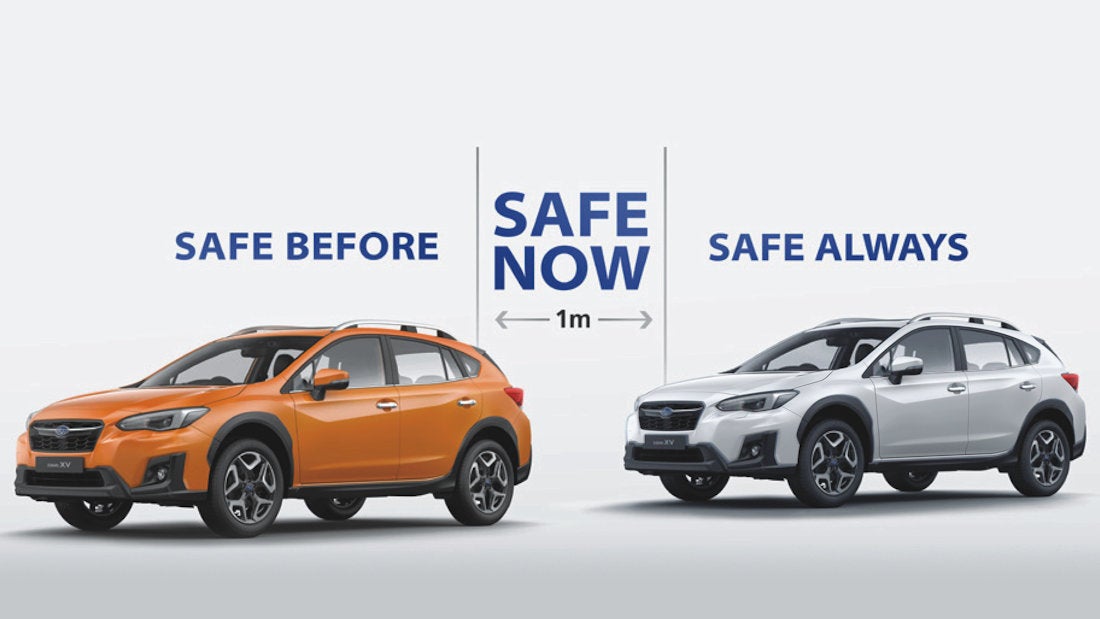
Evaluating Subaru Safety Ratings and Real-World Crash Performance
Structural integrity serves as the primary defense in any vehicle collision. The engineering behind the lineup focuses heavily on passive safety, utilizing a ring-shaped reinforcement frame constructed of high-tensile steel. This structural cage is designed to absorb and redirect impact energy away from the passenger cabin during a collision. Complementing this frame is a comprehensive airbag suite, including front, side, side-curtain, and driver's knee airbags as standard equipment on every model. This dedication to structural engineering is consistently recognized by independent safety organizations. As of March 2026, the brand has received 78 IIHS TOP SAFETY PICK+ awards since 2013 . For the 2025 model year, the Outback, Forester, Solterra, and Ascent all earned the IIHS TOP SAFETY PICK+ designation under updated crashworthiness and crash avoidance criteria . Furthermore, the 2025 Forester and Ascent achieved a 5-Star Overall Safety Rating from the NHTSA, earning five stars in frontal and side crash tests, and four stars in rollover evaluations . For families driving near the coastal plains and sandy dunes of Ponte Vedra Beach, standard all-wheel-drive traction is a necessity for navigating beachside roads and outdoor weekend excursions. Symmetrical All-Wheel Drive works in tandem with the vehicle's structural frame to maintain stability and control before an impact can even occur. For drivers seeking safety combined with sports-tuned handling, our new Subaru performance inventory showcases how safety engineering translates to active road control. Table of Contents How Subaru EyeSight Driver Assist Technology Works to Prevent Collisions Comparing Subaru Safety and Engineering Against Luxury and Mainstream Rivals Balancing Long-Term Durability, Safety Awards, and Ownership Costs Common Questions About Subaru Safety Technology and Value Finding Your Safe and Reliable Subaru How Subaru EyeSight Driver Assist Technology Works to Prevent Collisions Camera-based monitoring represents a distinct engineering approach to crash avoidance. The core of this active safety system is EyeSight® Driver Assist Technology, which is standard on every 2025 Outback, Forester, Crosstrek, Legacy, and Ascent model sold in the United States . This system utilizes dual color cameras mounted unobtrusively near the rearview mirror to scan the road ahead for potential hazards . Select models also feature a third wide-angle camera to enhance pedestrian and cyclist detection . The camera system operates several integrated safety features designed to intervene in critical situations. Pre-Collision Braking can automatically apply full braking force to help avoid or mitigate frontal collisions, while Pre-Collision Throttle Management reduces engine power if an obstacle is detected ahead in low-speed situations . For highway driving, Adaptive Cruise Control with lane centering helps maintain a safe distance from the vehicle ahead, and Lane Keep Assist along with Lane Departure and Sway Warning provides gentle steering interventions to keep the vehicle in its lane . Beyond the forward-facing cameras, the active safety suite offers comprehensive surrounding awareness. Rear Cross-Traffic Alert and Blind-Spot Detection use radar sensors to warn of vehicles in adjacent lanes or approaching from the side when in reverse . Additionally, Reverse Automatic Braking can stop the vehicle if an object is detected behind it, while the DriverFocus® Distraction Mitigation System monitors driver attentiveness and alerts those showing signs of drowsiness . This active driver-assist suite is standard across our new Subaru inventory. You can find this technology featured prominently in our new Forester inventory, which offers advanced compact SUV safety. For budget-conscious buyers, our certified pre-owned inventory includes late-model vehicles equipped with previous generations of this protective camera system. Engine & Performance Powertrain specs by trim Feature Limited Limited XT Premium Touring Touring XT Wilderness Engine 2.5L 2.4L 2.5L 2.5L 2.4L 2.4L Horsepower 180 hp 260 hp 180 hp 180 hp 260 hp 260 hp Torque 178 lb-ft 277 lb-ft 178 lb-ft 178 lb-ft 277 lb-ft 277 lb-ft Transmission Lineartronic CVT Lineartronic CVT Lineartronic CVT Lineartronic CVT High-torque Lineartronic CVT Lineartronic CVT Drivetrain All-wheel drive All-wheel drive All-wheel drive All-wheel drive All-wheel drive All-wheel drive Comparing Subaru Safety and Engineering Against Luxury and Mainstream Rivals Divergent engineering philosophies define how different automotive manufacturers approach occupant protection. When comparing active driver-assist systems, the dual-camera optical stereoscopic system differs significantly from radar-based setups like Toyota Safety Sense. While Toyota's radar-and-camera system provides excellent lane tracing on structured highways, the dual-camera setup of EyeSight excels in wide-angle pedestrian and cyclist detection in complex urban environments. Many drivers also find that the camera-based lane centering offers a more natural, intuitive steering assist compared to radar-based lane tracing. Comparing these models to luxury brands like Volvo highlights a difference in market accessibility. Volvo has historically been the industry benchmark for safety, focusing on ultra-high-strength steel passenger cages and cutting-edge occupant protection innovations. However, the engineering behind the Symmetrical All-Wheel Drive platform delivers comparable IIHS crash-test safety ratings and advanced active safety features at a mainstream price point. This makes top-tier occupant protection highly accessible to everyday drivers without the premium luxury cost. For those comparing different brands, our pre-owned vehicle inventory features a variety of makes and models to cross-shop. Families looking for the ultimate in spacious safety can explore our new Ascent inventory, which provides three rows of seating and standard driver-assist features. Alternatively, those seeking a versatile subcompact option can browse our new Crosstrek inventory to see how compact dimensions can still deliver top-tier crash protection. Balancing Long-Term Durability, Safety Awards, and Ownership Costs Long-term value in a vehicle depends on a combination of mechanical durability and predictable operational expenses. The horizontally opposed four-cylinder boxer engine and the turbocharged four-cylinder engine are engineered with a low center of gravity. This mechanical layout allows the engine to slide beneath the passenger cabin in a severe frontal impact, serving as a key passive safety feature. This unique boxer design also contributes to long-term durability when coupled with regular maintenance. While vehicles with high safety ratings can help moderate insurance costs, actual premiums are determined by individual driver profiles and the cost of replacement parts. To keep your vehicle performing reliably, our service department only uses genuine Subaru parts. You can easily schedule a service appointment online to keep your vehicle's safety systems calibrated and running smoothly. For the 2026 Subaru Outback lineup, pricing and efficiency vary by trim level. The Premium trim starts at a base MSRP of $34,995, while the Limited trim is priced at $41,715, and the Touring trim comes in at $45,395. Upgrading to turbocharged performance, the Limited XT starts at $44,365, the Touring XT at $47,995, and the off-road-oriented Wilderness trim starts at $44,995. Each of these models requires a destination charge of $1,450. In terms of fuel efficiency, the Premium, Limited, and Touring trims achieve an EPA-estimated 25 city / 31 hwy / 27 combined MPG. The more powerful Limited XT and Touring XT trims are rated at 21 city / 29 hwy / 24 combined MPG, while the rugged Wilderness trim delivers 21 city / 27 hwy / 23 combined MPG. At our dealership, every new vehicle purchase comes with a complimentary lifetime powertrain warranty and two years of scheduled maintenance. Buyers do not have to choose between long-term coverage and initial upkeep because we provide both benefits as standard. Our team at the showroom on Blanding Blvd often meets commuters from Orange Park who need a reliable, fuel-efficient crossover to handle the daily highway drive into the city. Pricing Pricing by trim Feature Limited Limited XT Premium Touring Touring XT Wilderness Base MSRP $41,715 $44,365 $34,995 $45,395 $47,995 $44,995 Destination charge $1,450 $1,450 $1,450 $1,450 $1,450 $1,450 Common Questions About Subaru Safety Technology and Value Answering critical questions about active driver assistance helps buyers make informed decisions. Before you check our new Outback inventory, let's address some common questions we receive. If you are looking to trade in your current vehicle, you can value your trade-in online to see how it fits your budget. For existing owners, our certified Subaru service center is always available to assist with safety-system maintenance. Q: Does the active driver assistance system require periodic calibration? Yes, if the windshield is replaced or if the camera housing is disturbed, the dual cameras must be precisely calibrated. Our certified technicians use specialized targeting equipment to ensure the system scans the road accurately and functions as intended. Q: How does the boxer engine design contribute to passive safety? The horizontal layout of the engine allows it to sit lower in the chassis. In a severe frontal collision, the engine is designed to slide under the passenger cabin rather than invading the footwell, protecting the occupants' legs. Q: What is the benefit of the standard Symmetrical All-Wheel Drive system in dry conditions? Symmetrical All-Wheel Drive continuously routes power to all four wheels, optimizing traction and stability even on dry pavement. This active safety feature helps prevent loss of control during sudden evasive maneuvers or sharp cornering. Q: Are there any active recalls for recent Subaru safety systems? On select 2025 Outback and Legacy models, there was a safety recall regarding a potential issue with the brake light switch that could cause intermittent illumination . Our team can quickly verify your vehicle's status and perform the necessary corrective repair. Q: How does the vehicle's structural frame protect passengers during a rollover? Every modern model uses a ring-shaped reinforcement frame made of high-tensile steel. This design encircles the passenger cabin from the roof to the floor, dispersing crash energy away from the occupants and maintaining cabin integrity. Finding Your Safe and Reliable Subaru Selecting a vehicle that prioritizes occupant protection provides lasting peace of mind. Every new model comes with manufacturer-backed roadside assistance, providing brand-specific expertise and towing to an authorized facility. If you ever experience an emergency on the road, you can contact Subaru Roadside Assistance at 1-800-261-2155 for immediate, trusted support. To begin your purchase journey, you can prequalify for financing online using our secure application. When you are ready to experience these advanced safety systems firsthand, you can find our showroom at 6400 Blanding Blvd or give us a quick call to schedule a personalized test drive. © 2026 Hanania Subaru. All rights reserved.
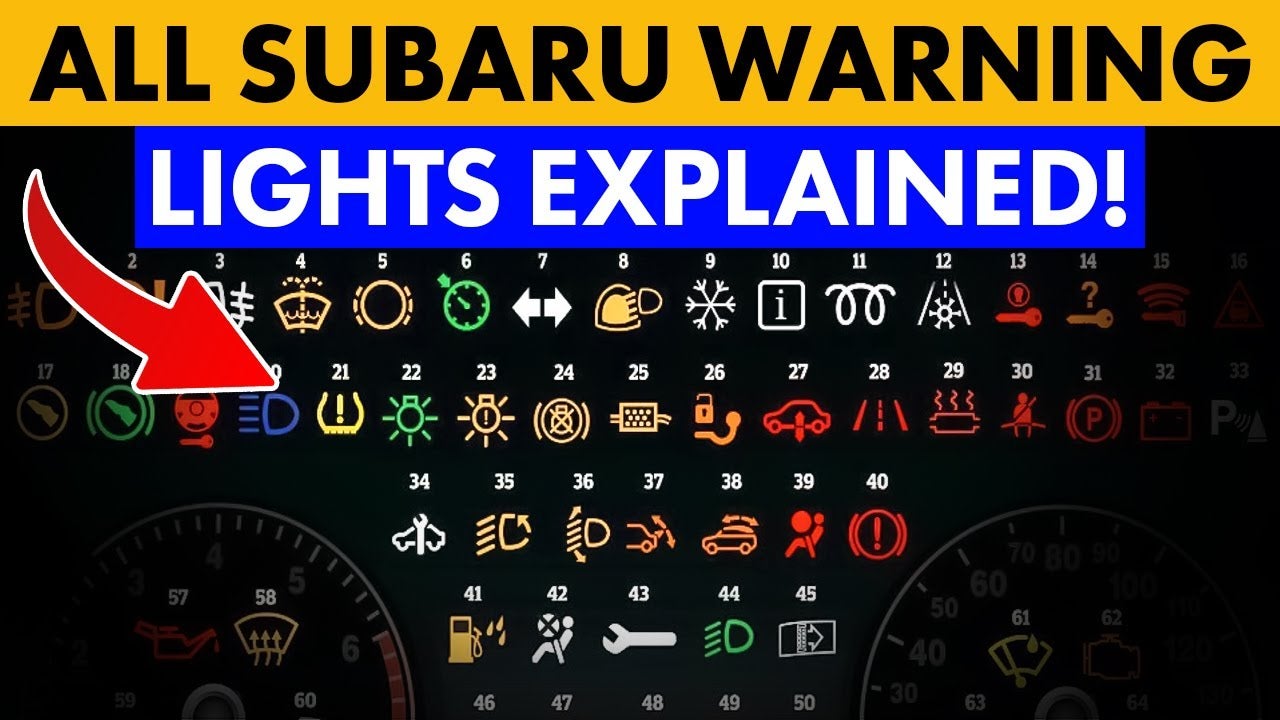
Every Dashboard Warning Light in Your Subaru Explained: A Service Advisor's Perspective
Demystifying Your Subaru Instrument Panel and Warning Systems After spending five years as a Service Advisor at Hanania Subaru, I have seen almost every dashboard illumination scenario imaginable. Modern instrument clusters are highly sophisticated communication hubs designed to monitor hundreds of vehicle functions in real time. Instead of causing panic, these indicators are meant to empower drivers with actionable data about their vehicle's health. When a light appears on your cluster, it is often a preventative signal rather than an immediate catastrophe. For example, high-performance models equipped with advanced powertrains from our new Subaru performance inventory rely on a complex network of sensors to monitor Symmetrical All-Wheel Drive systems and maintain optimal boost, timing, and traction. Understanding what these systems are trying to communicate is the first step toward maintaining your vehicle's longevity and performance. If you ever feel uncertain about an active warning light, you can easily reach our team by giving us a quick call to discuss the symptoms. For more hands-on assistance, stopping by our service department on Blanding Boulevard allows our factory-trained technicians to connect specialized diagnostic tools and pinpoint the root cause immediately. Keeping your instrument panel clear ensures that every drive remains safe and predictable. Table of Contents Decoding the Color Spectrum of Subaru Dashboard Indicators The Subaru Check Engine Light and Critical Powertrain Alerts Understanding Subaru EyeSight Driver Assist Alerts and Camera Calibration Managing Tire Pressure Alerts and Proper Inflation Specifications Professional Diagnostic Standards Versus DIY Code Readers Decoding the Color Spectrum of Subaru Dashboard Indicators Now, when it comes to the color of a dashboard warning light, the system functions exactly like a traffic signal, immediately communicating the severity of the underlying issue. A red indicator is a critical alert signifying a serious safety or mechanical problem that requires you to safely pull over, shut off the engine, and contact Subaru Roadside Assistance: 1-800-261-2155. This complimentary service is included during your 3-year/36,000-mile Subaru Limited Warranty and provides manufacturer-backed support, including towing to the nearest authorized service center where factory-trained technicians use genuine parts. For instance, the red engine oil pressure warning light indicates dangerously low oil pressure, while the red battery icon means the charging system is failing and cannot sustain the vehicle's electrical load. Commuters driving daily from Orange Park along Blanding Boulevard face heavy stop-and-go traffic, which places continuous demands on the braking system and makes a red brake warning light an immediate concern. This red light can indicate low brake fluid, an engaged parking brake, or a critical hydraulic failure, meaning you should never drive if it remains illuminated after releasing the parking brake. If your system requires new pads, rotors, or master cylinders, our department always utilizes genuine OEM brake components to restore factory-spec stopping power and ensure your vehicle's braking performance meets safety standards. Yellow or amber lights represent advisory alerts, indicating a system malfunction, a low fluid level, or a non-critical component that requires professional inspection soon. For family-focused models like those in our new Subaru Ascent inventory, which features a standard 2.4L turbocharged engine and Symmetrical All-Wheel Drive, amber lights might signal a disabled safety system or a minor sensor fault that needs scanning before your next weekend road trip. Blue and green indicators, such as a cold coolant temperature light or an active headlight high-beam icon, simply show that a system is operating normally or that the engine is warming up to its optimal temperature. The Subaru Check Engine Light and Critical Powertrain Alerts Another important thing to know about your powertrain is that the check engine light, formally known as the malfunction indicator lamp, is connected directly to the engine control unit and illuminates when emissions, ignition, or fuel systems deviate from factory parameters. A steady amber check engine light typically points to a minor fault, such as a loose gas cap or a failing oxygen sensor, allowing you to drive cautiously to a service center. When drivers ask me if they can keep driving with a steady check engine light, I always explain that while a solid light means you can safely drive to the service center, a flashing light is an immediate emergency. A flashing check engine light indicates that the engine control system has detected a severe misfire capable of destroying the catalytic converter within minutes due to unburned fuel entering the exhaust. If this occurs, drivers must immediately reduce speed, find a safe place to pull over, and turn off the engine to prevent thousands of dollars in exhaust system damage. Models like the standard 2.5L engine found in our new Subaru Forester inventory rely on precise ignition timing, and ignoring a flashing light risks catastrophic powertrain damage. Other critical powertrain alerts include the transmission oil temperature light and the Vehicle Dynamics Control warning light. A steady Vehicle Dynamics Control light indicates a system malfunction that disables traction and stability assistance, while a flashing light simply means the system is actively working to maintain grip on slippery surfaces. Addressing these powertrain alerts promptly prevents minor sensor calibration issues from escalating into major mechanical overhauls. Understanding Subaru EyeSight Driver Assist Alerts and Camera Calibration Here's what you need to know about how your vehicle's driver-assist systems communicate with you. The advanced EyeSight Driver Assist Technology relies on dual color cameras mounted inside the upper windshield to monitor traffic patterns, detect obstacles, and manage safety features. When the EyeSight warning light illuminates in yellow or amber, it indicates that the system is temporarily disabled and cannot assist you on the road. During this time, critical driver-assist functions like adaptive cruise control and pre-collision braking are completely offline until the system clears. Environmental factors are the most common causes of temporary EyeSight deactivation rather than an actual hardware failure. The salty air and fine coastal sand blown from the beaches near Ponte Vedra Beach can deposit a stubborn layer of film on the upper windshield, obstructing the dual cameras and triggering a temporary disablement light. Similarly, extreme cabin heat from parking in the summer sun or direct morning glare shining straight into the camera lenses will cause the system to stand down until temperatures normalize or the angle of light changes. Physical modifications and maintenance procedures can also interfere with these sensitive camera sensors. For example, replacing a cracked windshield on a compact SUV from our new Subaru Crosstrek inventory requires precise camera recalibration to ensure the safety systems function correctly. If the cameras are reinstalled without professional alignment, the system will trigger persistent warning lights and remain completely disabled because the computer cannot guarantee accurate distance calculations. Managing Tire Pressure Alerts and Proper Inflation Specifications Many customers wonder about the specific symbols that monitor basic safety components. The tire pressure monitoring system, represented by an amber symbol shaped like a tire cross-section with an exclamation point, is designed to alert you when any tire's inflation pressure drops significantly below the manufacturer's specification. When this light illuminates steadily, it means at least one tire has lost pressure and needs immediate adjustment to prevent uneven wear, reduced fuel economy, and compromised handling. If the light flashes for approximately one minute upon starting the vehicle before remaining solid, it indicates a malfunction in the system itself, such as a dead sensor battery. Many drivers mistakenly inflate their tires to the maximum pressure printed on the tire sidewall, which can lead to a harsh ride and accelerated center-tread wear. The correct cold inflation pressure is located on the tire specification placard on the driver’s side doorjamb, which is custom-tailored to balance load capacity and ride comfort. Whether you are driving a factory-fresh model or a well-maintained vehicle from our certified pre-owned Subaru inventory, adhering strictly to these doorjamb specifications like 33 psi or 32 psi ensures your safety systems work in perfect harmony. Sustained high ambient temperatures can cause tire pressures to fluctuate rapidly, sometimes triggering early morning warnings that disappear once the tires warm up during your commute. If your warning light remains active after inflating the tires to the recommended cold specifications, our Subaru service center is fully equipped to diagnose slow leaks, repair punctures, or replace damaged sensors. You can easily schedule your service appointment online to have our technicians inspect your tires and reset the monitoring system using factory-certified equipment. Professional Diagnostic Standards Versus DIY Code Readers This is something we see a lot with diagnostic troubleshooting at our service bays. While inexpensive OBD-II handheld scanners allow you to read diagnostic trouble codes at home, these tools only provide a generic alphanumeric starting point rather than a complete repair solution. A code like P0420 might indicate a catalytic converter issue, but the actual root cause could be a minor exhaust leak, a faulty sensor, or an engine misfire. Disconnecting the negative battery terminal for ten minutes might temporarily clear the warning light, but the vehicle's computer will quickly re-illuminate the dashboard indicator once it completes its self-test cycles and detects the unresolved mechanical fault. Many auto parts stores offer to read your diagnostic codes for free, which is helpful for basic information but falls short of a comprehensive physical inspection. For complex vehicles like those in our new Subaru Outback inventory, which features advanced Symmetrical All-Wheel Drive and active safety networks, a generic scanner cannot access proprietary chassis or body control modules. Our factory-trained technicians charge a standard diagnostic fee—typically between $100 and $200—to perform extensive electrical testing, vacuum leak checks, and software updates that generic readers simply cannot perform, ensuring that every issue is resolved accurately. If your dashboard is displaying multiple warning lights, trying to solve the puzzle at home can lead to unnecessary parts replacement and added frustration. I recommend letting our specialized service team handle the heavy lifting to ensure your vehicle is repaired correctly the first time. Please feel free to give us a quick call or stop by our service department on Blanding Boulevard so we can get your vehicle back to peak operating condition. © 2026 Hanania Subaru. All rights reserved.
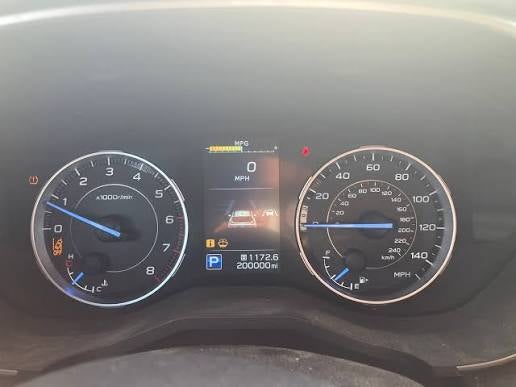
How Regular Service Helps Subaru Models Reach 200,000+ Miles
Reaching the quarter-million-mile mark is a point of pride for Subaru owners, but that kind of longevity is rarely an accident. We sat down with Brent Davis, a Service Advisor at Hanania Subaru with 6 years of experience, to discuss the specific maintenance blueprints required to keep these vehicles running reliably through decades of Florida driving. In this interview, Brent explains how consistent care and technical precision allow models like the Outback and Forester to outlast the industry average. Q: Brent, we often hear about Subarus lasting for decades, but what is the actual baseline for an owner who wants to see 200,000 miles on their odometer? A: The foundation for that kind of longevity starts with the 6,000-mile or six-month service interval. Most people think of this as just an oil change, but for a high-mileage candidate, it is actually a comprehensive health check. In our environment, where the hot Florida sun and high ambient temperatures place constant thermal stress on the engine, staying disciplined with these visits is non-negotiable. I tell owners that the vehicles we see reaching 200,000 miles are almost always the ones that never skipped a fluid inspection or a filter replacement. If you are driving in from Ponte Vedra Beach after a weekend at the coast, that salt air and humidity make it even more important to have our Subaru Service Center technicians look for early signs of corrosion or belt wear. You can reach our team at (904) 906-1235 to discuss a personalized plan, or stop by our location at 6400 Blanding Blvd, Jacksonville, FL 32244 to get a baseline inspection for your vehicle. Q: Walk me through a scenario where an owner is approaching that first major 100,000-mile threshold—what are the most critical items they need to address? A: When a customer brings in a vehicle like the 2026 Subaru Crosstrek with high miles, we focus heavily on the 30,000-mile, 60,000-mile, and 90,000-mile milestones. By the time you hit 100,000 miles, you should have already replaced your spark plugs at least once, especially on FA-series turbo engines where they are rated for 60,000 miles. We also look closely at the cooling system. If the coolant is neglected, it can lead to overheating, which is the quickest way to end an engine's life. For those driving a Subaru Crosstrek or similar model, we also emphasize differential fluid changes. These are often overlooked, but the rear differential needs fresh fluid every 30,000 to 60,000 miles to prevent the internal gears from whining or wearing down prematurely. Catching these items at 90,000 miles sets the stage for the next 100,000 miles of trouble-free driving. Q: Is there a significant difference in how you maintain the Boxer engine compared to a traditional inline-four to ensure it lasts "forever"? A: The horizontally-opposed Boxer engine is a masterpiece of balance, but its layout means gravity affects lubrication and sealing surfaces differently than an upright engine. For maximum life in a 2.5L H4 engine, such as the one found in the Subaru Forester, using the required 0W-20 synthetic oil is critical. Synthetic oil handles the internal heat of our Florida summers much better than conventional blends, preventing the "sludging" that can clog oil passages. I also remind owners that the Boxer engine has more sealing surfaces, so we keep a close eye on valve cover gaskets and cam seals as the vehicle ages. If you notice a faint smell of oil after a long drive, it is time to schedule your service appointment immediately. Addressing a small seep early prevents it from becoming a major leak that could starve the engine of lubrication at high speeds. "The vehicles we see reaching 200,000 miles are almost always the ones that never skipped a fluid inspection or a filter replacement." Q: Many drivers worry about the CVT transmission as they get into higher mileages; what should they be watching for? A: There is a common misconception that CVT fluid is "lifetime," but in my experience, that is only true if you don't plan on keeping the car past 100,000 miles. For a Lineartronic CVT, like the one in the 2026 Subaru Outback, we recommend a fluid exchange every 60,000 miles, or even every 30,000 miles if you are doing heavy stop-and-go commuting. If you live in Yulee and commute daily into Jacksonville along US Highway 17, that constant shifting and heat build-up can degrade the fluid faster. Signs that you need service include a slight shudder when accelerating or a delayed engagement when shifting from Park to Drive. We always use genuine Subaru parts and high-torque CVT fluid because generic fluids can actually cause internal slipping. Maintaining the transmission is vital for the Symmetrical All-Wheel Drive system to function correctly in a Subaru Outback, ensuring power is distributed evenly to all four corners without mechanical strain. Q: How strictly should owners follow the 2/32-inch rule for tire tread depth, and can it really destroy the AWD system? A: It absolutely can. The Symmetrical AWD system is incredibly sensitive to the rolling circumference of the tires. If one tire is significantly more worn than the others, it has to spin faster to keep up, which creates a constant "traction event" in the center differential. This generates heat and mechanical stress that can lead to a repair bill in the thousands. Subaru specifies that tread depth should not vary by more than 2/32 of an inch between any two tires. This is why regular tire rotations every 6,000 miles are so important. If you have a larger vehicle like the 2026 Subaru Ascent, which carries more weight and places more load on the tires, this rule is even more critical. If you ever damage just one tire on your Subaru Ascent, we often have to recommend replacing all four to keep that drivetrain synchronized and protected for the long haul. Q: Brent, why is it better for a long-term owner to choose a dealership like Hanania Subaru over a general repair shop for this 200,000-mile journey? A: I recently observed a customer who had been using a general shop for years and was frustrated by a recurring EyeSight Driver Assist error. It turned out the non-OEM windshield they had installed wasn't calibrated to the cameras. At Hanania Subaru, our technicians are factory-trained specifically on these systems. We also provide the Hanania Lifetime Warranty and two years of maintenance with every new vehicle purchase, which is a massive advantage for someone planning to keep their car for 15 years. Whether you are looking at our Subaru performance inventory for a weekend car or browsing our certified pre-owned Subaru models for a reliable daily driver, you get the peace of mind that comes with OEM parts and specialized diagnostics. You can find us at 6400 Blanding Blvd, Jacksonville, FL 32244, or give us a quick call to discuss how we can help your current Subaru reach that 200,000-mile goal. If you ever run into trouble on the road, remember that Subaru Roadside Assistance is available at 1-800-261-2155 to ensure you are never stranded. Reaching high mileage in a Subaru is a partnership between the owner's diligence and expert technical support. By adhering to the 6,000-mile service interval, using synthetic oil, and respecting the 2/32-inch tire wear rule, you can protect your investment for years to come. Brent Davis and the entire team at Hanania Subaru are dedicated to providing the transparent, expert care necessary to keep your vehicle on the road for its next 100,000 miles. Visit our service department today to ensure your Subaru is prepared for the long journey ahead. © 2026 Hanania Subaru. All rights reserved.
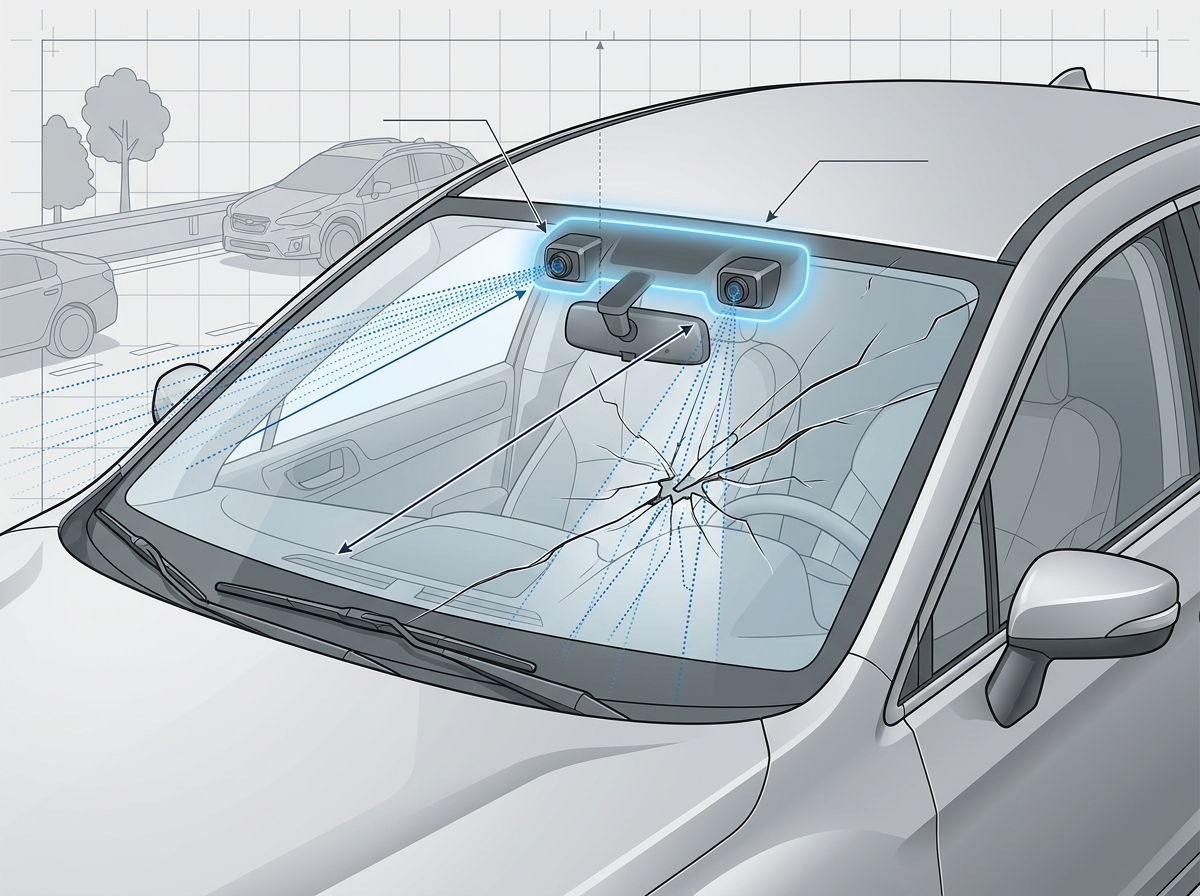
What You Need to Know About Cracked Windshields and Subaru EyeSight
#How Windshield Damage Directly Impacts Your Subaru EyeSight System As a Service Advisor at Hanania Subaru with 6 years of experience, I spend my days helping drivers keep their vehicles in peak operating condition. One of the most frequent questions I receive in our service lane is whether a small crack or chip in the glass actually matters to the Subaru EyeSight driver-assist technology. The straightforward answer is yes; physical damage to your windshield directly compromises how this advanced safety system functions. The Subaru EyeSight system relies on dual color cameras mounted inside the cabin, positioned right against the upper edge of your windshield. These cameras act as your vehicle's eyes, constantly scanning the road ahead to manage features like Pre-Collision Braking, Adaptive Cruise Control, and Lane Keep Assist. When a stone chips or cracks the glass within the camera's viewing window, it acts like a smudge on a pair of eyeglasses. The physical crack bends and distorts light, which prevents the cameras from accurately calculating distances or recognizing lane markings. If you are currently driving with a damaged windshield, you might notice that the system behaves erratically or shuts down completely. When the cameras detect a physical obstruction or a distorted field of view, the system is designed to disable itself and display an error light on your dashboard. Trying to manually turn the system off to ignore the crack is not a safe long-term solution, as you lose crucial safety interventions. If you have noticed an error light on your dashboard, I highly recommend giving our service team a call at (904) 906-1235 so we can inspect the glass and ensure your safety systems are fully operational. For drivers who prioritize peak performance and precise handling on their daily drives, maintaining these safety systems is just as critical as maintaining the mechanical components of our new Subaru performance inventory. If you need to bring your vehicle in for a physical inspection, you can easily find our service center location and get expert help from our certified technicians. Table of Contents When a Simple Chip Repair Demands a Full Calibration The True Cost of Advanced Driver Assist Glass Replacement Why OEM Glass is Crucial for Camera System Accuracy The Risks of Improper Calibration and How to Verify Success Florida Insurance Policies and Safe Driving When a Simple Chip Repair Demands a Full Calibration I often hear from drivers who hope a quick resin fill at a local repair stand will solve their windshield issues without needing a full system recalibration. While minor chip repairs are highly effective for standard glass, the rules change when you have a camera system mounted behind the rearview mirror. Whether you need a full recalibration after a glass repair depends entirely on where the damage is located. Subaru defines a highly specific camera viewing area on the windshield where no repairs are permitted. This critical viewing area is the precise rectangular space directly in front of the dual lenses. If a stone chip or scratch falls inside this zone, a simple resin injection is not an option because the repair process leaves behind microscopic structural changes and slight optical distortions. Even if the repaired spot looks completely clear to your eyes, the camera lenses can still experience refraction errors, leading to delayed braking responses. For safety reasons, any damage within this viewing window requires a complete windshield replacement followed by a precise camera calibration. For minor chips that occur well outside this designated viewing area, a professional resin repair can be completed without requiring a system recalibration. However, if the glass must be removed and replaced, a calibration is mandatory. Our factory-trained technicians use specialized diagnostic tools and physical targets to perform this alignment. If you need to address a chip or want to ensure your glass is repaired to factory standards, you can easily book an appointment online at our dedicated service center. We always stock genuine Subaru parts, including the exact glass specifications required for models like the 2026 Subaru Forester to keep your active family safe on every school run. The True Cost of Advanced Driver Assist Glass Replacement Many of our customers wonder why replacing a windshield on a modern vehicle is notably more expensive than it was on older cars. In the past, a windshield was simply a structural piece of safety glass designed to keep out wind and debris. Today, the windshield on your vehicle is a highly engineered optical component that serves as the primary lens for your driver-assist technology. The total cost of a modern windshield replacement is divided into two primary parts: the specialized glass itself and the technical calibration process. Standard aftermarket glass often lacks the strict manufacturing tolerances required for camera integration. This specialized glass must feature perfect curvature, consistent thickness, and zero optical distortion in the camera's line of sight. Additionally, the labor involved is highly technical. Our technicians must mount physical alignment targets at precise distances from the vehicle, connect specialized diagnostic computers, and perform both static and dynamic road calibrations to ensure the cameras read the road correctly. This calibration requirement is not unique to our brand. For example, similar driver-assist systems like Toyota Safety Sense also require a complete camera calibration anytime the front windshield is replaced. Because these systems are so closely tied to your safety, cutting corners with lower-cost glass or skipped alignments is never worth the risk. If you are driving a highly capable vehicle like the 2026 Subaru Crosstrek or maintaining one of the reliable models from our certified pre-owned inventory, investing in proper, certified glass care is the best way to protect your vehicle's long-term value and your family's safety. Why OEM Glass is Crucial for Camera System Accuracy One of the first things I discuss with drivers facing a windshield replacement is the critical difference between original equipment manufacturer (OEM) glass and aftermarket alternatives. While independent glass shops may offer cheaper aftermarket options, using non-OEM glass on a vehicle equipped with Subaru EyeSight can lead to persistent system errors and safety hazards. Subaru OEM glass is manufactured to incredibly strict specifications, ensuring that the glass in front of the camera lenses is completely free of distortions, waves, or variations in thickness. Aftermarket glass manufacturers often use different cooling processes or glass compositions, which can introduce minor, invisible distortions. While these imperfections are imperceptible to human eyes, they can bend light in ways that cause the cameras to miscalculate the distance to the vehicle ahead. This can lead to unexpected, abrupt braking or a complete system shutdown. Furthermore, OEM glass features specialized acoustic and thermal properties that match the original design of your cabin. Using non-OEM glass can also interfere with how the windshield rain sensors and heating elements interact with the camera housing. To avoid these issues and ensure your driver-assist features work exactly as the engineers intended, it is always best to have your replacement handled by factory-certified professionals. You can easily schedule your service online with our team to have your glass replaced and calibrated using correct factory procedures. The Risks of Improper Calibration and How to Verify Success Let's talk about what actually happens if a glass replacement is completed without a proper camera calibration. Skipping this step or relying on an uncertified shop can have serious consequences for how your vehicle behaves on the road. Without a successful calibration, the cameras may still "see" the road, but they will misinterpret the physical location of objects. An uncalibrated system can calculate distances incorrectly, which might cause your Pre-Collision Braking to engage too late in an emergency, or trigger unnecessary emergency braking when no hazard is present. In other cases, the vehicle may drift out of its lane because the cameras cannot accurately locate the painted lines on the asphalt. When our certified technicians perform a calibration, they verify success by running a complete system diagnostic that generates a digital certificate of completion. This certificate confirms that the cameras have successfully recognized the physical targets and that all sensor angles are aligned within fractions of a millimeter. We see the importance of this precision every day, especially for drivers navigating the busy coastal roads around Ponte Vedra Beach. Whether you are driving a spacious 2026 Subaru Outback or any other camera-equipped model, knowing that your safety features are aligned to factory specifications provides invaluable peace of mind. Our team always performs a thorough post-calibration road test to verify that the system tracks lanes and targets flawlessly before we hand the keys back to you. Florida Insurance Policies and Safe Driving From my experience working with local drivers, navigating the insurance side of a windshield replacement is often much easier than people expect, especially here in Florida. The state has specific regulations designed to encourage drivers to fix damaged glass immediately rather than putting it off due to cost concerns. Under Florida law, if you carry comprehensive insurance coverage, your insurance provider is required by law to replace your damaged windshield with zero deductible. This means you can have your windshield replaced and fully calibrated without any out-of-pocket expenses. This zero-deductible law is incredibly beneficial because it ensures you do not have to choose between your budget and your safety. When you bring your vehicle to us, our service advisors can work directly with your insurance company to handle the paperwork, verify coverage for both the glass and the mandatory camera calibration, and get you back on the road quickly. Whether you are commuting daily along the busy corridors of Yulee or taking a weekend trip with the family, keeping your windshield clean and structurally sound is vital. If you are driving a larger family vehicle like the 2026 Subaru Ascent, maintaining a clear view for both you and your onboard cameras is essential for highway safety. If you have questions about how your insurance policy handles these high-tech glass replacements, please feel free to reach out to our team or stop by our service center at 6400 Blanding Blvd, Jacksonville, FL 32244 so we can help you coordinate your repair. © 2026 Hanania Subaru. All rights reserved.
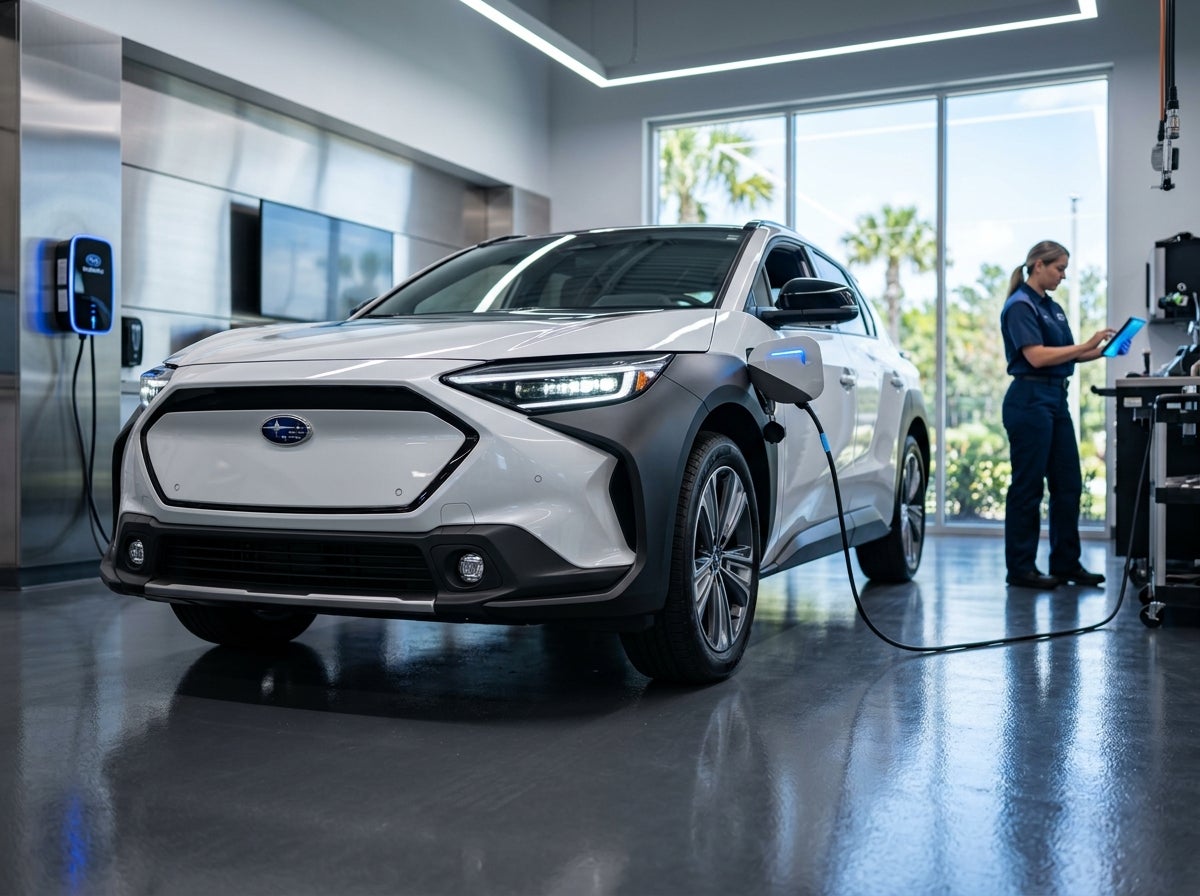
Understanding the WRG-26 Battery ECU Recall for the Subaru Solterra
Owners of the 2026 Subaru Solterra may have recently received notice regarding safety recall WRG-26, which specifically addresses the battery electronic control unit (ECU) software. This campaign is a proactive measure by Subaru to ensure the high-voltage traction battery management system operates with the highest level of precision. Unlike mechanical repairs that might involve replacing physical hardware, WRG-26 is a software-based update designed to refine how the vehicle monitors its power systems and detects potential faults. Because the Solterra is a dedicated battery-electric vehicle, its ECU acts as the central brain for energy distribution and thermal regulation. If you have questions about how this update affects your daily commute from Ponte Vedra Beach, our team is ready to provide clarity. This recall is classified as a "stop sale" for vehicles currently in dealer inventory, meaning every new Solterra must have this update completed before it can be delivered to a customer. For those already on the road, the update is performed at no cost to the owner. While we focus on maintaining the advanced electric systems of the Solterra, we also support the local community of driving enthusiasts. If you are interested in our high-performance internal combustion models, you can explore our new Subaru performance inventory to see the latest engineering in our traditional lineup. For any immediate concerns regarding your Solterra’s safety status, please give our service advisors (904) 906-1235 a quick call. If you prefer to speak with a technician in person, you can find our service department on Blanding Blvd for a full consultation. Table of Contents Affected Model Years and Identifying Your Solterra's Recall Status Technical Breakdown: What the Battery ECU Reprogramming Changes Charging Performance and Battery Efficiency After the WRG-26 Update The Service Process: What to Expect During Your Recall Appointment Common Questions About the Solterra WRG-26 Recall Keeping Your Solterra Performing Safely on Jacksonville Roads Affected Model Years and Identifying Your Solterra's Recall Status The WRG-26 recall is highly specific to the Subaru Solterra and does not impact other models like the Forester or Outback. While the campaign primarily targets newer production cycles, including the 2026 Subaru Solterra, eligibility is strictly determined by individual vehicle identification numbers (VINs). Because software versions can vary based on production dates and trim levels—such as the Premium, Limited, or Touring XT —checking your specific VIN is the only definitive way to confirm if your vehicle requires the update. Locating your VIN is a straightforward process. You can find the 17-digit code printed on a plate on the driver’s side dashboard, which is visible through the bottom of the windshield. It is also listed on your vehicle registration documents and the door jamb sticker on the driver's side. Once you have this number, you can use the official NHTSA recall lookup tool or the Subaru website to see if WRG-26 is listed as an "open" campaign for your SUV. Maintaining the integrity of your EV's electrical system is just as vital as using genuine Subaru parts for routine mechanical maintenance. Even though this particular remedy is a digital patch, it ensures that all components within the high-voltage system communicate correctly. If you are a resident in Yulee who recently purchased a Solterra, verifying this recall status ensures your vehicle remains compliant with the latest manufacturer safety standards and software optimizations. Technical Breakdown: What the Battery ECU Reprogramming Changes What exactly happens during the WRG-26 reprogramming? Our certified technicians use Subaru’s specialized diagnostic equipment to access the high-voltage battery ECU and overwrite the existing code with an updated version. This software refinement focuses on the diagnostic logic used to monitor the traction battery's state of health. Specifically, it adjusts fault detection thresholds to prevent "false positive" error codes while ensuring the system can accurately identify genuine issues that might lead to an unexpected loss of power. This update is critical for the long-term reliability of the 4WD system found across all Solterra trims. By optimizing the ECU, Subaru improves the vehicle's ability to manage energy flow during various driving conditions. This is particularly relevant for those who utilize the Snow/Dirt and Deep Snow/Mud modes, as the battery must provide consistent output to both electric motors under heavy load. The update does not change the physical capacity of the battery, but it does make the management of that energy more robust. While the Solterra represents the future of electric mobility, many of our neighbors still rely on versatile crossover options for their active lifestyles. For those who need a compact and capable vehicle for coastal adventures, we invite you to look through our new Crosstrek inventory to see how Subaru’s traditional AWD systems continue to lead the segment. Regardless of the powertrain, our goal is to keep every vehicle on the road performing at its peak. Charging Performance and Battery Efficiency After the WRG-26 Update A common question we hear from EV owners involves how software updates impact charging speeds. For the 2026 Subaru Solterra, which features a 72.8-kWh battery pack, maintaining an efficient charging curve is essential. While WRG-26 is primarily a safety and diagnostic update, ECU refinements in the Solterra lineup have historically helped optimize DC fast-charging consistency. The manufacturer cites a 10% to 80% charge time of roughly 35 minutes on a 100 kW DC fast charger, and keeping the ECU software current ensures the vehicle can communicate effectively with various charging station hardware. In a hot climate like ours, battery thermal management is a top priority. The ECU controls how the battery cools itself during a rapid charge session and while driving in high ambient temperatures. By ensuring the software is up to date, you are helping your Solterra manage the heat more effectively, which can protect the long-term health of the battery cells. This is especially important for the Touring XT and Limited XT trims, which are often equipped with more power-intensive features like the Harman Kardon premium audio system. For drivers who aren't quite ready to make the switch to a full electric vehicle but still want world-class safety and efficiency, the Forester remains a staple of reliability. You can browse our new Forester inventory to see the latest models equipped with EyeSight® Driver Assist technology. Whether you are driving an EV or a traditional SUV, keeping your vehicle's computer systems updated is a vital part of modern automotive care. The Service Process: What to Expect During Your Recall Appointment When you bring your vehicle into our Subaru service center for the WRG-26 update, the process is designed to be efficient and transparent. Because this is a software-only repair, there is no need for heavy mechanical teardowns. A technician will connect your Solterra to a secure Subaru diagnostic terminal, verify the current software version, and upload the new ECU parameters. The actual reprogramming typically takes about one to two hours, though we recommend allowing a bit more time for the initial check-in and a complimentary multi-point inspection. We understand that your time is valuable, especially for busy professionals and families in Orange Park. To make the process as seamless as possible, you can schedule your service appointment online to find a time that fits your calendar. While your vehicle is being updated, you are welcome to relax in our lounge or explore our latest models on the lot. If you find yourself needing more space for growing family needs, you might want to take a look at our new Outback inventory, which offers expansive cargo room and the latest in Subaru safety. Since WRG-26 is a safety recall, the entire procedure—including the labor and the software itself—is provided at no cost to you. Once the update is finished, our team will close the recall in Subaru’s national database. This ensures that the next time you check your VIN, the status will show as "Completed," which is an important record to have for your vehicle’s history and future resale value. Common Questions About the Solterra WRG-26 Recall Q: Is it safe to drive my Solterra before I get the WRG-26 update? Yes, you can continue to drive your vehicle, but Subaru recommends having the update performed as soon as possible. The recall is a preventative measure to ensure the diagnostic system correctly identifies potential battery issues. If you notice any warning lights on your 7.0-inch LCD instrument cluster, please contact us immediately for a diagnostic check. Q: Will this update reduce my driving range or performance? The WRG-26 update is designed to improve the accuracy of the battery's monitoring system and does not reduce the electric motor's output or the battery's usable capacity. Your Solterra will still deliver the same 215 hp and 249 lb-ft of torque you expect. Range remains consistent with the EPA estimates of 131 city / 94 hwy for the Premium trim. Q: Does the WRG-26 recall apply to the used Solterra I just bought? Safety recalls follow the vehicle, not the owner. If you recently purchased a pre-owned Solterra, the recall still applies if it hasn't been completed yet. We recommend checking your VIN or visiting our service department to verify. If you are still in the market for a vehicle with a proven track record, you can also view our new Ascent inventory for a versatile three-row alternative. Q: Do I need to bring any special paperwork to my appointment? While bringing the recall notice you received in the mail can speed up the check-in process, it isn't strictly necessary. Our service advisors can pull all the required information using your VIN. We will ensure all documentation is updated so your vehicle's service history reflects the completion of the WRG-26 campaign. Keeping Your Solterra Performing Safely on Jacksonville Roads Our commitment to your safety doesn't end when you drive off the lot. By completing the WRG-26 Battery ECU reprogramming, you are ensuring your Solterra remains a leader in reliability and high-tech efficiency. Whether you are navigating the daily commute or taking a weekend trip to the coast, our certified technicians are here to provide the expert care your Subaru deserves. If you are looking for a different kind of value, we also invite you to explore our certified pre-owned inventory, where every vehicle undergoes a rigorous 152-point inspection. For any questions or to verify your recall status, please reach out to our team at (904) 906-1235. When you're ready for your update, visit our Jacksonville location and let us help you stay safely on the road. © 2026 Hanania Subaru. All rights reserved.
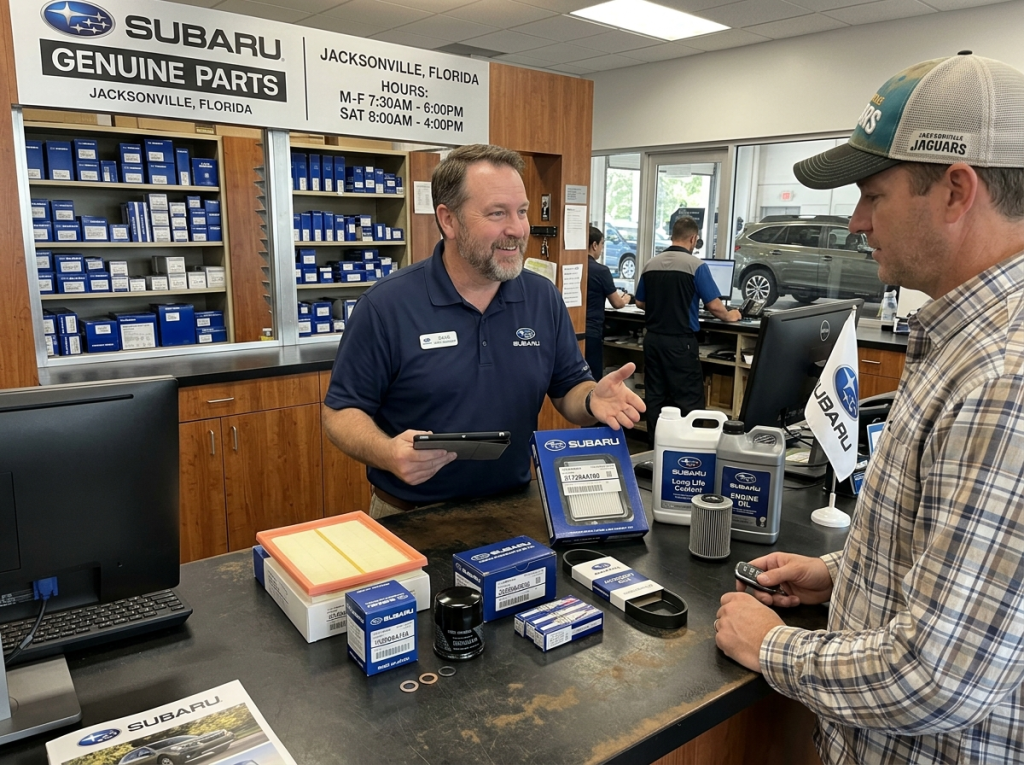
The Real Truth About Subaru Parts From a Parts Manager's Perspective
The Real Cost of What Goes Under Your Subaru Hood There is a viral video floating around showing an aftermarket parts truck making a delivery to a dealership, and it usually sparks a lot of questions from my customers. I've spent 6 years as a Parts Manager, and I can tell you that what you're seeing in those videos is almost always related to used car reconditioning for other brands or a very specific customer request. When it comes to your actual Subaru maintenance, we don't cut corners with "universal" components because your vehicle wasn't built with universal logic. Every Genuine Subaru Part is an exact replica of what was installed on the assembly line, engineered to handle the specific stresses of your drivetrain. Choosing a cheaper alternative might save a few dollars at the counter, but the long-term math rarely works out in the driver's favor. For example, if you are driving a 2026 Subaru Outback with the 2.5L H4 engine, every component from the spark plugs to the serpentine belt is designed to meet a specific thermal and vibration threshold. Aftermarket manufacturers often use "consolidated" designs, meaning one part is made to fit ten different vehicle brands. That "close enough" fit is often why we see premature wear or mysterious rattles that weren't there before the repair. For families living in Ponte Vedra Beach, the salt air and coastal humidity add an extra layer of strain on your vehicle's exterior and mechanical bits. I always recommend staying ahead of corrosion with components designed to withstand those specific environmental factors. If you have questions about a specific repair or want to see the quality of our components for yourself, you can always find our Jacksonville showroom easily or give our team a quick call at (904) 906-1235. We also keep a great selection of the new Subaru performance inventory on hand for those who want to see how these high-spec parts perform in the real world. Table of Contents Why BOXER Engines and Symmetrical AWD Demand Exact Engineering The EyeSight Calibration Factor in Windshield and Sensor Repairs Navigating the Warranty and Insurance Realities of Aftermarket Parts Spotting the Difference: How to Identify Genuine Subaru Components Why Professional Installation Safeguards Your Subaru Investment Why BOXER Engines and Symmetrical AWD Demand Exact Engineering The horizontal layout of Subaru BOXER engines creates a specific set of physics that standard upright engines just don't have to deal with. Because the cylinders are laid flat, oil flow and pressure management are absolutely critical. I often point out to my team that a Subaru Genuine Oil Filter isn't just a canister with paper inside; it is built with a specific bypass valve pressure designed for the 2.5L H4 or 2.4L H4 engines. Many aftermarket filters have a much lower bypass pressure, which can lead to unfiltered oil circulating through your engine or, worse, restricted flow during a cold start. The same precision is required for your Symmetrical All-Wheel Drive system. Subaru is very strict about tire matching because the system relies on all four wheels having the exact same rolling circumference. If you replace just one tire with an aftermarket brand that has a slightly different tread depth or carcass shape, it can cause heat buildup in the center differential. This is a common issue we see when people try to save money on a single tire rather than maintaining a matched set. We see this often with high-mileage commuters coming from Yulee who put heavy miles on US Highway 17; that constant high-speed travel makes even a tiny difference in tire diameter a major mechanical risk. Whether you are looking at our new Crosstrek inventory or exploring our certified pre-owned inventory, you’ll notice that every vehicle we stand behind uses these exact-spec components. The goal is to maintain the original balance of the car. When you start swapping in parts that weren't validated by the factory, you're essentially redesigning the car's engineering on the fly, and that's rarely a good idea for reliability. The EyeSight Calibration Factor in Windshield and Sensor Repairs A customer came in recently because their cruise control and pre-collision braking stopped working after they had a "bargain" windshield installed by a mobile glass van. This is becoming one of the most frequent conversations I have because of EyeSight Driver Assist Technology. On models like the 2026 Subaru Forester, the EyeSight cameras are mounted behind the rearview mirror and "look" through the glass. Subaru specifies that only an OEM windshield should be used because the glass must have precise optical properties and specific mounting points for the cameras to calibrate correctly. Aftermarket glass often has slight distortions or different thicknesses that the cameras can't compensate for. If the cameras can't see perfectly, the system may shut down or, even worse, react incorrectly to an obstacle. It isn't just about the glass, either; it's about the sensors. Genuine Subaru brake pads and rotors are tested to work specifically with the ABS and Vehicle Dynamics Control systems. An aftermarket pad might have a different "bite" or friction coefficient, which can change how the safety systems intervene during an emergency maneuver. Our Subaru service center is equipped with the specialized diagnostic tools needed to recalibrate these systems after a repair, something most independent shops simply don't have access to. We always use genuine Subaru parts for these critical safety systems because there is no room for error when it comes to your family's protection. If you're curious about the latest safety tech, you can check out the features in our new Forester inventory to see how integrated these systems have become. Navigating the Warranty and Insurance Realities of Aftermarket Parts Does using a non-factory part automatically kill your protection? This is a question that gets asked every single day in the service drive. The short answer is no, thanks to the Magnuson-Moss Warranty Act, but there is a major catch that many people overlook. While a manufacturer cannot void your entire warranty just because you used an aftermarket air filter, they can absolutely deny a specific claim if that aftermarket part caused the failure. If a cheap aftermarket radiator hose bursts and causes your engine to overheat, the resulting engine damage won't be covered under your 5 years / 60,000 miles powertrain warranty. Insurance companies are another factor. They often push for the cheapest possible parts—sometimes even salvaged components—to keep their repair costs down after an accident. I always tell my customers to check their policy language. You have the right to request Genuine Subaru Parts for your repair. This is especially vital for structural components and crumple zones. An aftermarket bumper or hood might look the same on the outside, but it may not have the same crash-test performance as the parts that earned the 2026 Subaru Outback its IIHS Top Safety Pick+ rating. Using factory parts also helps maintain your vehicle's resale value. When it comes time to trade in your car, a history of dealership service with factory parts is a major selling point. It shows you didn't cut corners on maintenance. If you're nearing a service interval or need a repair estimate, you can schedule your service appointment online to have our experts take a look. We can provide a full breakdown of what your vehicle needs to stay within its warranty guidelines. Spotting the Difference: How to Identify Genuine Subaru Components I often see people trying to save money by ordering parts from unverified websites, only to bring them to us when they realize the part doesn't fit. Identifying a real component is usually pretty straightforward if you know what to look for. Genuine Subaru Parts will always come in branded packaging with a specific part number sticker that includes a barcode. Most of these components are stamped with the Subaru logo directly on the metal or plastic, and you'll often see "Made in Japan" or "Made in USA" labels depending on the specific item. Another hallmark of the real deal is the minimum 12 month manufacturer's warranty that comes with the part. If you buy a "universal" part online and it fails in three months, you're often stuck buying a second one. When we pull a part for a 2026 Subaru Crosstrek, we verify it against your VIN to ensure the fitment is guaranteed. This is critical for things like All-Weather Floor Liners or Splash Guards, which are custom-molded to the exact contours of the floorboards and wheel wells. If you are looking at the accessories in our new Outback inventory, you can see the difference in how these items integrate with the vehicle. From the Auto-Dimming Mirror with Compass and HomeLink to the LED Upgrade, factory accessories don't require "hacking" into the wiring harness. They use plug-and-play connectors designed for your specific model year, which prevents the electrical gremlins that often follow aftermarket installations. Why Professional Installation Safeguards Your Subaru Investment Subaru vehicles are known for having 96% of models sold in the last 10 years still on the road, and a big part of that longevity is how they are maintained. Our factory-trained technicians spend hundreds of hours learning the specific nuances of the CVT and the EyeSight systems. When we install a part, we aren't just bolting it on; we're ensuring it meets the factory torque specs and is properly calibrated to the vehicle's computer. This level of detail is what keeps your 3 years / 36,000 miles basic warranty and roadside assistance protections fully intact. We also offer benefits you won't find at a generic repair shop, like our 24-Month Tire Protection Plan. This comes free with any tire purchase and covers replacement or repair, plus it includes complimentary roadside assistance. Whether you're driving a 2026 Subaru Ascent with the 2.4L H4 engine or a smaller crossover, having that peace of mind on the road is invaluable. Using specialized tools and having a direct line to factory technical support allows us to get the job done right the first time. If you're ready to experience the difference that expert care makes, you can find our Jacksonville location for a visit. You can also reach our parts and service experts at (904) 906-1235 to discuss your maintenance needs. If you're looking for a vehicle with enough room for the whole family and the reliability to match, I highly recommend checking out our new Ascent inventory. We're here to help you keep your Subaru performing at its best for all the miles ahead. © 2026 Hanania Subaru. All rights reserved.
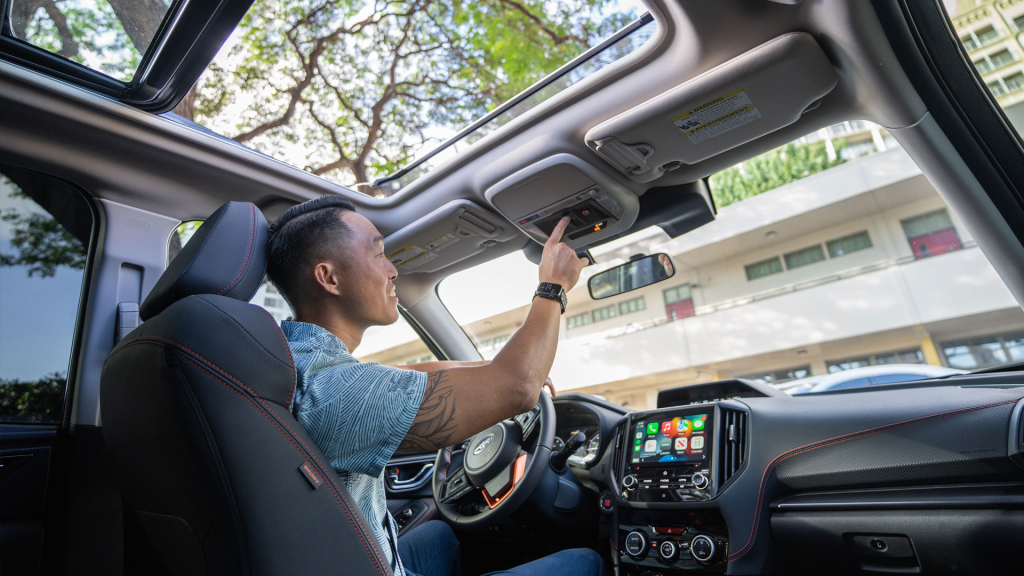
Understanding the 2026 Subaru Forester Moonroof Recall
The safety of our drivers and their families is our top priority, and we want to ensure every vehicle on the road meets the highest standards for build quality and occupant protection. Recently, a safety alert was issued regarding the 2026 Subaru Forester and the 2026 Subaru Forester Hybrid concerning the power moonroof assembly. According to the NHTSA Safety Recall 26V346 (manufacturer code WRF-26), certain units may have been manufactured with a glass panel that was improperly bonded to its sliding frame. Over time, this bonding adhesion can deteriorate, potentially leading to the glass panel detaching from the vehicle while in motion. This specific manufacturing issue stems from the improper application of a primer bonding agent during the assembly process. If the glass panel were to separate from the frame, it could create a significant road hazard for other drivers or increase the risk of a crash. While Subaru has reported three technical instances of glass detachment between February and March of 2026, there have been no reported injuries or accidents related to this condition. Our team is here to provide clarity and support for owners who may be affected by this campaign. If you have any immediate concerns about your vehicle's glass or need to verify your status, you can reach our service advisors at (904) 906-1235 for personalized assistance. Whether you are commuting through the upscale residential neighborhoods of Ponte Vedra Beach or driving along the coast, having a secure and properly sealed moonroof is essential for both safety and cabin quietness. For those who are currently researching the latest models, we maintain a comprehensive selection of new Forester SUVs and high-performance options within our new Subaru performance inventory, all of which are subject to rigorous pre-delivery inspections. If you need to visit us for an inspection, our Jacksonville location is conveniently situated to serve the entire surrounding community. Table of Contents Identifying Affected Vehicles and Checking Your VIN The Inspection and Repair Process at Our Service Center Scheduling Logistics and Preparing for Your Service Appointment Long-Term Forester Care: Engine Longevity and Maintenance Standards Quick Answers About the 2026 Forester Moonroof Recall Drive with Confidence and Peace of Mind Identifying Affected Vehicles and Checking Your VIN Determining if your specific SUV is part of this safety campaign is a straightforward process that relies on your 17-digit Vehicle Identification Number (VIN). The recall 26V346 encompasses a total of 69,663 vehicles. Specifically, it includes 65,656 units of the 2026 Subaru Forester produced between June 19, 2025, and March 13, 2026. Additionally, 4,007 units of the 2026 Subaru Forester Hybrid manufactured from February 20, 2026, through March 17, 2026, are included in the scope. Owners can find their VIN on the lower left side of the dashboard, visible through the windshield, or on their vehicle registration and insurance documents. Entering this unique code into the official Subaru recall lookup tool or the NHTSA website will provide an immediate status update. If your vehicle is affected, the search will display the unrepaired recall; if not, you will see a message indicating zero associated recalls. We often see families from Yulee who rely on their SUVs for trips to nearby natural preserves and beaches, and we understand how important it is to have a vehicle that is fully compliant with all safety standards. While you are checking your vehicle's status, you might also be interested in exploring the versatility of our new Crosstrek models, which offer a different footprint for active lifestyles. It is important to note that owner notification letters are scheduled to be mailed out starting July 24, 2026. However, VINs became searchable in the system as of late May 2026. If you have recently purchased a 2026 Forester, we recommend checking the system periodically, as VIN lists are updated continuously as more data becomes available from the manufacturing facilities. Staying proactive about these updates ensures that your vehicle remains as reliable as the day you drove it home. The Inspection and Repair Process at Our Service Center Once a vehicle is identified as being within the recall range, the remedy process is handled entirely by our factory-trained technicians. When you bring your SUV to our Subaru Service Center, the first step is a comprehensive physical inspection of the moonroof glass panel. Our experts look for specific signs of adhesion failure or improper primer application. Because this issue involves the structural integrity of the glass bonding, we follow strict manufacturer protocols to ensure the sliding frame and glass meet original safety specifications. If the inspection reveals that the bonding is insufficient, we will replace the glass panel assembly. This repair involves using Genuine Subaru Parts and the correct industrial-grade primer and adhesive agents that were missing during the initial assembly. This ensures that the new bond is permanent and resistant to the high ambient temperatures we often experience during Florida summers. Because we use specialized tools and OEM-certified materials, the repair restores the moonroof to its intended factory condition without compromising the vehicle's structural seals. To ensure your visit is as efficient as possible, we recommend that you schedule your service appointment in advance. This allows us to verify that the necessary glass assemblies and bonding kits are in stock and ready for your specific vehicle. All recall-related inspections and repairs are performed at no cost to the customer. Our goal is to provide a seamless experience that prioritizes your safety while minimizing the time your vehicle spends in the shop. Scheduling Logistics and Preparing for Your Service Appointment When preparing for your recall service, it is helpful to know what to expect regarding timing and logistics. While the physical replacement of a moonroof glass panel is a precise task, most inspections can be completed relatively quickly. If a full replacement is required, the process typically takes a few hours to allow for the proper curing of the bonding agents. We recommend planning for a half-day visit, though our service advisors can provide a more specific estimate based on our current shop volume when you arrive. For many professionals and busy families in Orange Park, we know that being without a vehicle can be a challenge. We strive to offer a comfortable waiting area and alternative transportation options when available. While your vehicle is with us, our technicians also perform a multi-point inspection to ensure other vital systems, such as the EyeSight® Driver Assist Technology, are functioning correctly. If you are considering a different model for your household while your vehicle is being serviced, you can browse our Certified Pre-Owned inventory or check out the spacious new Outback models currently available on our lot. To make the check-in process smoother, please have your recall notice or VIN handy. This helps our team quickly pull up the specific requirements for recall WRF-26. We also suggest removing any aftermarket roof rack accessories that might obstruct access to the moonroof area, as this allows our technicians to begin the inspection immediately. By taking these small steps, you help us maintain a timely schedule for all our guests. Long-Term Forester Care: Engine Longevity and Maintenance Standards Beyond the immediate needs of a recall, maintaining a 2026 Subaru Forester involves adhering to a consistent service schedule to maximize the life of the 2.5L H4 Boxer engine. These engines are engineered for durability, and with proper care—including 6,000-mile oil change intervals and regular fluid checks—it is common to see them surpass 200,000 miles. Consistent maintenance at an authorized center ensures that components like the Lineartronic CVT and the Standard Symmetrical AWD system remain in peak condition for years of Jacksonville commuting. The 2026 Forester is built on a legacy of safety, earning the IIHS Top Safety Pick+ award. Maintaining this level of protection requires more than just mechanical engine work; it involves keeping the safety sensors clean and the structural components, like the moonroof frame, in perfect order. For those who need even more room for growing families, we often suggest comparing the Forester's capabilities with our new Ascent inventory, which offers three rows of seating and similar long-term reliability. The 2026 model year also introduced safety engineering updates, such as improved rear seat belt setups to enhance occupant protection in front crashes. By combining these factory improvements with a dedicated maintenance routine, you protect both your investment and your passengers. Our service team is always available to discuss your vehicle's specific maintenance needs or to explain the benefits of the Subaru Limited Factory Warranty, which provides basic 3 years / 36,000 miles of coverage and a powertrain 5 years / 60,000 miles warranty. Quick Answers About the 2026 Forester Moonroof Recall Q: How do I know for sure if my 2026 Forester is included in the recall? The most accurate way to verify is by using your 17-digit VIN on the Subaru or NHTSA recall search tools. This recall specifically targets vehicles produced between June 2025 and March 2026. If you are unsure how to find your VIN or interpret the results, you can call our service team at (904) 906-1235 for a quick check. Q: Is there any cost for the moonroof inspection or glass replacement? No, all safety recall repairs are performed free of charge at authorized dealerships. This includes the initial inspection to check the bonding adhesion and, if necessary, the full replacement of the moonroof glass panel assembly. Subaru covers both the cost of the parts and the labor required to complete the remedy. Q: Can I continue to drive my car while waiting for the repair? Subaru has not issued a "do not drive" order, but they recommend having the inspection performed as soon as possible. If you notice any unusual wind noise, water leaks, or visible gaps around the moonroof glass, you should limit your use of the vehicle and contact us immediately to prioritize your appointment. Q: What happens if my moonroof leaks but my VIN isn't on the recall list? If you experience a leak or bonding issue and your vehicle is not part of the specific recall range, the repair may still be covered under the basic 3 years / 36,000 miles Subaru Limited Factory Warranty. Our technicians can perform a diagnostic to determine the cause and see if a warranty claim is applicable to your situation. Q: How long will the actual repair take once I drop off my vehicle? While an inspection may only take about an hour, a full glass replacement and adhesive curing process can take several hours. We generally recommend that owners plan to leave their vehicle with us for a half-day. When you book your visit, our staff can give you a better idea of the timeline based on part availability. Drive with Confidence and Peace of Mind Addressing a safety recall is an important part of responsible vehicle ownership, and we are committed to making the process as transparent and easy as possible for our community. By staying informed about the 26V346 campaign and taking advantage of the free remedy provided by Subaru, you ensure that your Forester remains a safe sanctuary for all your adventures. Whether you are navigating the daily commute or heading out for a weekend at the beach, knowing your vehicle is in top mechanical shape allows you to focus on the road ahead. Our service professionals are ready to assist you with everything from this moonroof recall to your regularly scheduled maintenance. If you have any remaining questions or are ready to book your inspection, we invite you to visit our service department in Jacksonville. We look forward to helping you keep your Subaru performing at its best for many miles to come. © 2026 Hanania Subaru. All rights reserved.
Maximizing Convenience: An Expert Q&A on the Subaru Service Loaner Program at Hanania Subaru
Today, we're interviewing Bill Rogers, our Service Director at Hanania Subaru. With 4 years of experience managing high-volume maintenance and repair operations, Bill is uniquely qualified to explain how we minimize disruption for our customers through the Subaru Service Loaner Program. In this conversation, readers will learn about the specific eligibility requirements for obtaining a temporary vehicle, how we prioritize loaner availability for major repairs, and the technical advantages of driving our latest models while your own car is in the shop. Q: Bill, many of our neighbors have busy schedules that don't stop just because their car needs work, so how does the Subaru Service Loaner Program actually keep people moving? A: The core of the Subaru Service Loaner Program, or SSLP, is about maintaining the lifestyle our owners enjoy without the stress of finding a ride or renting a car. When a customer brings their vehicle to our Subaru Service Center for significant repairs, we provide a late-model Subaru to use in the interim. For a professional living in Ponte Vedra Beach, for example, a service appointment shouldn't mean missing a tee time at TPC Sawgrass or a day at the coast. By scheduling an appointment in advance, we can often coordinate a vehicle so that the transition from your daily driver to a loaner is seamless. Our goal is to ensure that even if you are used to the high-performance feel of our new performance models, you aren't left stranded while we perform necessary maintenance. If you have questions about a specific repair timeline, you can always reach our team for a quick call at (904) 906-1235 or visit our Blanding Blvd location to speak with a consultant in person. Q: That level of convenience is a major relief, but what are the specific ground rules or eligibility requirements that a driver needs to meet before they can pull away in an SSLP vehicle? A: We try to keep the process straightforward, but there are several standard requirements for insurance and safety reasons. To qualify for a loaner, the primary driver must be at least 21 years old and present a valid driver’s license along with proof of active auto insurance that meets our minimum coverage standards. We also require a major credit card to be on file for a security hold, which is standard practice across the industry. It is also important to remember that these vehicles are intended for personal, non-commercial use. This means they cannot be used for towing, rideshare services, or off-road adventures while they are in your possession. We often see young families who are interested in our versatile Crosstrek inventory utilize the loaner program to see how a different model fits their daily routine, provided they follow these basic guidelines. We also ask that the vehicle be returned with the same level of fuel it had at checkout to avoid any refueling charges. Q: Bill, can you clarify if additional family members are allowed to drive the loaner, or is it strictly limited to the person who signed the paperwork? A: That is a question I hear quite often from families who share a single vehicle. According to the standard loaner agreement, the vehicle should only be operated by the customer named on the contract and any additional drivers who have been explicitly approved and documented by our staff at the time of checkout. Allowing an unauthorized driver to take the wheel can actually void the insurance coverage provided under the agreement, which is a risk we want every customer to avoid. For our customers in Yulee who might be coordinating a long commute along US Highway 17, it is best to have both spouses present if they both intend to drive the vehicle. This ensures everyone is covered and that we are using Genuine Subaru Parts to repair your primary vehicle while you stay safe in the loaner. While you are here, you can even take a look at our current Forester inventory to see the latest safety features available to your family. "The Subaru Service Loaner Program is designed to be a bridge, ensuring your daily life doesn't pause just because your vehicle is receiving expert care." Q: Some people wonder if they can get a loaner for a quick oil change, so how do you decide which services qualify for the program? A: Because our fleet of loaner vehicles is a finite resource, we have to prioritize them for customers whose vehicles require more extensive work, such as warranty repairs or complex mechanical issues that take more than a few hours to complete. We typically do not provide loaners for basic maintenance like oil changes or tire rotations, as our express service is designed to get you back on the road quickly. However, availability is always on a first-come, first-served basis. If your vehicle is facing a breakdown or an emergency, remember that every new Subaru comes with manufacturer-backed support; you can reach Subaru Roadside Assistance: 1-800-261-2155 for towing directly to our facility. This ensures your car is handled by certified technicians who know every nut and bolt of the vehicle. Q: Speaking of the vehicles themselves, what kind of technology can drivers expect to find in a modern loaner, like the 2026 Subaru Forester? A: Our loaner fleet consists of late-model vehicles, so you are often driving the absolute latest in Subaru engineering. For instance, the **2026 Subaru Forester** features a **Lineartronic Continuously Variable Transmission**, or **CVT**, which is specifically engineered to provide smooth power delivery while maximizing fuel efficiency. Under the hood, you’ll find a **2.5-liter four-cylinder** engine producing **180 hp** and **178 lb-ft** of torque, which provides plenty of capability for merging onto the highway. These vehicles also come standard with **Symmetrical All-Wheel Drive** and the latest **EyeSight Driver Assist** technology, which includes features like pre-collision braking and lane departure warnings. Whether you are driving a loaner or browsing our new Outback inventory, you are experiencing a vehicle designed for both safety and durability. It is a great way for owners of older models to experience how far the technology has come, particularly the refined ride quality and updated infotainment systems. Q: Bill, is there an advantage for a customer to eventually consider purchasing one of these vehicles once they are retired from the loaner fleet? A: Absolutely, retired loaners represent a unique value proposition for many buyers. These cars have been meticulously maintained by our own certified technicians using only factory-approved methods and fluids. They typically have low mileage and remain under the original **3 years / 36,000 miles** basic warranty and the **5 years / 60,000 miles** drivetrain warranty. When we retire a vehicle from the fleet, it undergoes a rigorous inspection to ensure it meets our high standards before being offered for sale. For someone looking through our spacious Ascent inventory, a retired loaner can offer the benefits of a new car—like that "new car smell" and the latest tech—at a more accessible price point. It’s a great way to get into a vehicle that we know has been cared for properly from day one. Q: Finally, how much do online reviews and customer feedback influence how you manage the loaner program and the overall service experience? A: Feedback is the lifeblood of our service department. We pay very close attention to what our customers say in online reviews because it helps us identify where we can improve our communication and efficiency. For example, if we see that customers are concerned about wait times for loaner availability, we look for ways to expand our fleet or better manage our reservation calendar. We want every person who looks up directions to our dealership to feel confident that they will be treated with transparency and respect. If you are researching our Certified Pre-Owned options or just coming in for a check-up, your experience matters to us. We encourage everyone to share their thoughts, and if you ever have a specific concern, I invite you to give us a quick call so we can make it right. We are here to serve the community and keep your Subaru running perfectly for years to come. Through this interview with Bill Rogers, it is clear that the Subaru Service Loaner Program at Hanania Subaru is more than just a convenience—it is a commitment to the owner experience. By providing late-model vehicles equipped with advanced safety features like **EyeSight** and **Symmetrical All-Wheel Drive**, Bill and his team ensure that your daily life continues uninterrupted while your vehicle receives the expert care it deserves. Whether you are coming from the coast or commuting from the northern suburbs, our service team is dedicated to providing transparent, efficient, and high-quality maintenance. If your Subaru is due for service or requires a more complex repair, we invite you to reach out and experience our customer-first approach firsthand. Contact our service advisors today to discuss your vehicle's needs and discover how we can keep you moving confidently on every journey. © 2026 Hanania Subaru. All rights reserved.
Securing Long-Term Value: The Strategic Advantage of an Extended Vehicle Warranty
Securing Long-Term Value: The Strategic Advantage of an Extended Vehicle Warranty Choosing a vehicle is one of the most significant financial decisions a household makes, often second only to a home purchase. While the initial excitement focuses on safety features and performance, savvy buyers in Ponte Vedra Beach look toward the total cost of ownership over five or ten years. An extended vehicle warranty, more formally known as a vehicle service contract, acts as a secondary layer of protection that activates once the initial manufacturer coverage ends. This strategic addition helps manage the financial risk of mechanical or electrical failures that naturally become more frequent as a vehicle accumulates mileage. The primary benefit of this coverage is the mitigation of large, unexpected repair bills. Instead of facing a sudden multi-thousand-dollar invoice for a transmission or specialized sensor, owners pay a predictable amount for the contract. This allows for more stable household budgeting, especially for professionals who rely on their vehicles for daily commutes. When you explore our new Subaru inventory, our team can explain how these plans integrate with your purchase to provide a seamless transition from factory support to extended protection. For those planning to upgrade their current ride, understanding the equity in your existing vehicle is the first step. You can easily value your trade-in through our online tool to see how that value applies toward a newer, protected model. If you have questions about specific coverage terms or want to see how these plans fit your budget, give us a call at (904) 906-1235 for a personalized walkthrough. For a face-to-face consultation, our Jacksonville showroom is conveniently located for a quick visit during your research phase. Table of Contents How Extended Warranties Differ from Original Factory Coverage The Financial Shield: Protecting Your Budget Against High-Tech Repair Costs Bundled Roadside Assistance and Real-World Travel Protections Maximizing Your Investment: Negotiation, Timing, and Resale Value Answers to Common Questions About Vehicle Service Contracts Drive Confidently with the Ultimate Protection Plan at Hanania Subaru How Extended Warranties Differ from Original Factory Coverage A common point of confusion for many shoppers is the distinction between the warranty included with a new car and an optional extended plan. The manufacturer's warranty is included in the vehicle's purchase price and typically features a bumper-to-bumper term of 3 years or 36,000 miles, along with a powertrain term of 5 years or 60,000 miles. An extended warranty is a separate service contract that you choose to purchase. It is designed to pick up exactly where those factory limits stop, ensuring there is no gap in protection as the odometer climbs. While factory coverage is relatively standard across the lineup, extended plans offer tiered levels of flexibility. You might choose a powertrain plan that focuses strictly on the engine and transmission, or an exclusionary plan that mirrors the comprehensive nature of a new-car warranty by covering almost every mechanical part except for a short list of specific exclusions. This variety is particularly beneficial for those looking at our certified pre-owned inventory, where some factory coverage may still be active but nearing its expiration date. The decision to add this protection often happens during the financing stage of the purchase. Many buyers find it convenient to roll the cost of the service contract into their monthly vehicle payment, which keeps the "protection-per-month" cost very low. To see what your potential payments might look like with these options included, you can prequalify for financing online before arriving at the dealership. This transparency helps you decide which coverage level aligns with your long-term ownership goals without any surprises at the signing table. The Financial Shield: Protecting Your Budget Against High-Tech Repair Costs Modern vehicles are essentially mobile computers, equipped with advanced driver-assist systems like EyeSight and complex infotainment hardware. While these technologies enhance safety and connectivity, they can be expensive to replace if a component fails out of warranty. For instance, replacing a high-resolution display screen or a sophisticated radar sensor can cost anywhere from $900 to over $2,000. An extended warranty serves as a financial shield, ensuring that a hardware glitch doesn't turn into a significant out-of-pocket expense. The value proposition becomes even clearer when looking at major mechanical components. Industry data suggests that an engine replacement can average over $10,000, while a transmission assembly can cost more than $6,000. For families in Yulee who utilize their vehicles for everything from school runs to weekend trips to the coast, these surprise costs can be disruptive. A service contract typically covers the parts and labor for these major systems, often with a deductible as low as $0 or $100, depending on the specific plan chosen. This protection is not limited to those buying brand-new models. Shoppers browsing our entire used-vehicle selection often find that adding a service contract provides the same level of confidence as buying new. Whether you are looking at the versatile Subaru Crosstrek for its rugged capability or a larger SUV for the family, knowing that the high-tech components are backed by a contract allows you to focus on the adventure rather than the "what-ifs" of mechanical longevity. Bundled Roadside Assistance and Real-World Travel Protections Beyond the core mechanical coverage, most high-quality service contracts include a suite of travel-related benefits that provide immediate assistance during a breakdown. One of the most valued features is the inclusion of 24-hour roadside assistance. If you experience a mechanical failure, you can contact Subaru Roadside Assistance: 800-261-2155 for help with towing to an authorized service center. This manufacturer-backed support ensures that your vehicle is handled by experts who use genuine parts, maintaining the integrity of your warranty. Travel protections often extend to logistics that are frequently overlooked until an emergency occurs. Many plans offer the following benefits: Rental Car Reimbursement: Covers costs up to $40 per day while your vehicle is in the shop for covered repairs. Trip Interruption: Reimburses you for meals and lodging if a breakdown occurs more than 100 miles from home. Towing Services: Provides specialized transport to the nearest certified repair facility. These perks are especially useful for owners of the new Subaru Forester who frequently travel for outdoor recreation. If a sensor issue occurs while you are miles away from home, the trip interruption benefit can save hundreds of dollars in unplanned hotel stays. This level of support transforms a potential travel disaster into a manageable inconvenience, providing a safety net that goes far beyond just paying for a mechanical part. Maximizing Your Investment: Negotiation, Timing, and Resale Value A common misconception is that extended warranty prices are set in stone. In reality, these contracts are often negotiable at the time of vehicle purchase. By discussing your driving habits—such as how many miles you typically drive in a year—our team can help you find a plan that provides exactly the right amount of coverage without paying for years you won't use. The best time to buy is usually when the vehicle is new or still under factory warranty, as the cost of the contract is typically lower when the vehicle has fewer miles and a clean history. Another significant advantage is the impact on resale value. Most manufacturer-backed extended warranties are fully transferable to the next private owner. If you decide to sell your Subaru Outback after four years, being able to tell a buyer that the vehicle is protected for another three years or 30,000 miles is a powerful selling point. It provides the next owner with the same peace of mind you enjoyed, often allowing you to command a higher asking price than a similar vehicle without coverage. For long-term owners, the "break-even" point often occurs with just one major repair. If the contract costs $2,500 and you experience a single $3,000 repair during the fourth year of ownership, the plan has already paid for itself. This mathematical reality is why many professionals who plan to keep their vehicles for seven to ten years view the service contract as an essential part of the initial purchase rather than an optional add-on. Answers to Common Questions About Vehicle Service Contracts Q: Can I purchase an extended warranty if my factory warranty has already expired? Yes, it is often possible to secure coverage after the factory term ends, though the options may be different. Generally, the most comprehensive "bumper-to-bumper" style plans are easiest to obtain while the original warranty is still active. If your coverage has already lapsed, we can perform an inspection to determine eligibility for various powertrain or stated-component plans. Q: Does the warranty cover routine things like oil changes or brake pads? Most standard extended warranties focus on mechanical and electrical failures rather than wear-and-tear items. This means components like brake pads, tires, and windshield wipers are typically excluded. However, at Hanania Subaru, every new vehicle purchase includes a complimentary lifetime warranty and 2 years of maintenance, so you get coverage for both major repairs and your initial routine visits. Q: Am I required to have all my repairs done at the selling dealership? Manufacturer-backed plans are generally honored at any authorized franchised dealership across the country. This is a major benefit for families who may move or those who travel frequently. While we love seeing our customers schedule a service appointment with our local experts, you have the flexibility to get covered repairs done at any participating Subaru retailer. Q: What happens if I sell my car before the extended warranty expires? You generally have two options: you can transfer the remaining coverage to the new private owner to increase your car's resale value, or you can cancel the remaining portion of the contract. If you cancel, you are typically eligible for a prorated refund based on the time and mileage remaining, which can then be applied toward the down payment on a vehicle from our new Subaru Ascent inventory. Q: Is there a waiting period before I can file a claim? If you purchase the contract while your factory warranty is still active, there is typically no waiting period; the extended coverage seamlessly takes over the moment the factory terms expire. For contracts purchased on older vehicles out of warranty, there may be a short "disappearing" period of 30 days or 1,000 miles to ensure no pre-existing conditions are present before the coverage begins. Drive Confidently with the Ultimate Protection Plan at Hanania Subaru Choosing the right protection plan is about more than just avoiding repair bills; it is about maintaining the active, adventurous lifestyle you bought a Subaru for in the first place. Whether you are eyeing the track-ready performance in our Subaru performance inventory or a dependable commuter for the daily drive, an extended warranty ensures that your focus stays on the road ahead. Our team is dedicated to providing transparent information so you can make an informed decision that fits your family’s budget and long-term plans. At Hanania Subaru, we go beyond the standard offerings. Exclusively at our location, every new vehicle purchase comes with a complimentary Lifetime Warranty and 2 years of maintenance. This means you don't have to choose between long-term mechanical protection and the convenience of covered initial service visits—you get both as part of our commitment to the local community. It is our way of ensuring that every mile you drive is backed by the same reliability that the Subaru brand is known for worldwide. If you are ready to experience the peace of mind that comes with a fully protected vehicle, we invite you to visit us and speak with our experts. You can find our showroom on Blanding Blvd for a personalized consultation and a test drive. If you have a quick question about a specific trim or coverage level, feel free to call us at (904) 906-1235 and we will be happy to help you navigate your options. Let us help you protect your investment so you can drive confidently through every season. Keep Your Vehicle Running Strong Keep your vehicle performing at its best with our service team: Subaru Service Center Genuine Subaru Parts © 2026 Hanania Subaru. All rights reserved.
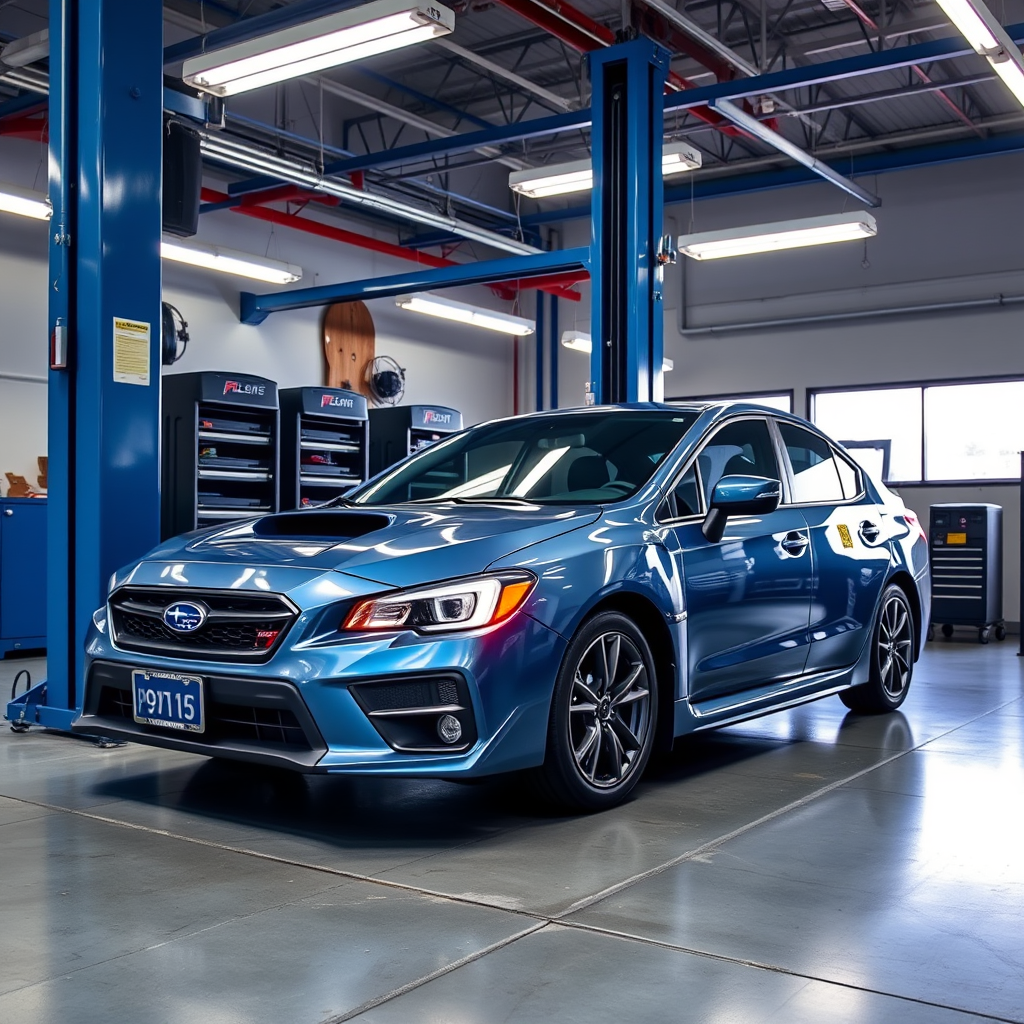
Expert Q&A on How to Maintain Your Subaru for Long-Lasting Performance and Reliability at Hanania Subaru
At Hanania Subaru, located at 6400 Blanding Blvd, Jacksonville, FL 32244, we understand that maintaining your Subaru properly is the key to enjoying reliable, safe, and enduring performance through Jacksonville’s diverse driving conditions. Today, we are joined by Bill Rogers, our Service Director with over three years of expertise, to discuss in detail how Subaru owners can keep their vehicles running smoothly for hundreds of thousands of miles. If you have questions or want to schedule your next maintenance, call us at (904) 906-1235 or visit our Subaru Service Center to book an appointment. Q: Bill, what are the most crucial steps for maintaining a Subaru engine to ensure long-lasting performance? A: Maintaining a Subaru engine, especially the renowned BOXER design, begins with sticking meticulously to the manufacturer's recommended maintenance schedule. Subaru’s engineers have designed these engines to deliver exceptional durability, but they rely heavily on consistent care. First and foremost, regular oil changes are vital. Subaru generally recommends changing your oil every 6,000 miles or six months, whichever comes first. This interval prevents oil degradation and ensures your engine remains properly lubricated, reducing wear and overheating risks. Synthetic oil is highly recommended because it contains additives that maintain oil cleanliness and engine protection longer than conventional oils. Another essential maintenance aspect is keeping your engine’s air intake clean. The BOXER engine requires a steady supply of fresh, clean air to operate efficiently. Clogged or dirty air filters reduce airflow, diminishing both performance and fuel economy. Replacing the engine air filter every 15,000 miles is a good practice, which is easy to manage either through our service team or for those who prefer DIY maintenance using genuine parts available at our Genuine Subaru Parts department. Additionally, monitoring and maintaining your Subaru’s exhaust system ensures the engine runs smoothly and emissions are minimized. Problems like muffler damage or catalytic converter issues can significantly impact efficiency. When you notice any decline in performance or fuel economy, bringing your vehicle in for a diagnostic check at Hanania Subaru helps catch potential engine issues early. Our technicians utilize advanced diagnostic tools to pinpoint problems with precision, keeping your Subaru performing at its best. Q: Many Subaru owners wonder if they can perform some maintenance themselves. What routine tasks are suitable for DIY, and when should they seek professional help? A: Subaru vehicles are designed with accessibility in mind, making some maintenance tasks approachable for owners who enjoy hands-on care. Changing your engine air filter, cabin air filter, and wiper blades are straightforward jobs that typically take less than ten minutes. Tire pressure checks and topping off fluids like windshield washer fluid can also be done easily at home. For those comfortable with basic tools, performing an oil change is possible but requires proper preparation, a safe working environment, and the correct oil and filter specifications, which we’re always happy to help identify at Hanania Subaru. However, more complex jobs, such as replacing spark plugs, timing belts, or transmission fluid, especially on Subaru’s horizontally opposed BOXER engines, are better handled by certified technicians. These components require precise torque settings and specialized equipment. Improper servicing can lead to costly damage, so we recommend booking an appointment at our Schedule your service appointment page to ensure your vehicle receives expert care and genuine parts. For Subaru owners in Jacksonville Beach, Ponte Vedra Beach, and Middleburg who prefer a hybrid approach, combining DIY with professional servicing works well. You can manage basic upkeep at home and trust our certified team for critical maintenance, ensuring your Subaru remains safe and reliable for all your adventures, from daily commutes to weekend trips. Q: How long can a Subaru last with proper maintenance, and what factors influence its lifespan? A: With diligent maintenance and responsible driving, Subarus are known to last well beyond 200,000 miles, with many reaching 300,000 miles or more. This longevity is a testament to Subaru’s robust engineering, including durable materials, the balanced BOXER engine design, and standard all-wheel drive, which provides excellent traction through varying Jacksonville weather—from the humid summers to the occasional wet winters. Factors influencing longevity include adherence to service intervals like oil changes, tire rotations every 5,000 miles, and fluid replacements. Regular inspections to detect minor issues before they escalate are crucial. For example, changing your differential fluids every 30,000 miles and transmission fluids at least every 60,000 miles, despite claims of lifetime fluids, significantly extends drivetrain health. Keeping your Subaru clean and waxed also protects exterior surfaces from harsh sun and coastal salt air around Atlantic Beach and Neptune Beach. Hanania Subaru supports longevity by offering vehicles under our Certified Pre-Owned Inventory and new models like the New Outback Inventory and New Forester Inventory. Plus, every new vehicle purchase comes with our exclusive Vehicle Lifetime Warranty and two years of complimentary maintenance, giving Jacksonville drivers peace of mind for the long term. Q: Subaru maintenance costs are often discussed. Why are Subarus perceived as more expensive to service compared to other brands? A: Subarus often incur slightly higher maintenance costs due to a few unique design factors. The horizontally opposed BOXER engine, while providing performance and balance benefits, is wider than traditional engines, making access to some components more time-consuming. For example, spark plug replacement requires more labor, which translates into higher shop bills. Another significant contributor is Subaru’s all-wheel drive system. Maintaining AWD means servicing an additional set of drive components, which can increase the frequency and cost of service items like tires and differential fluid changes. AWD tires also wear more evenly but tend to require replacement in sets of four, unlike front-wheel-drive vehicles where you might replace just two tires at a time. This is particularly relevant for drivers in Kingsland and Orange Park, where road conditions may accelerate tire wear. Despite these factors, Subaru owners benefit from strong resale values, which help offset maintenance investments. For those seeking cost-effective maintenance, Hanania Subaru’s Genuine Subaru Parts and service specials provide excellent value. Our technicians are experienced with Subaru-specific systems, ensuring efficient, reliable repairs at competitive rates. Q: What are some common issues Subaru owners should watch out for, and how can they be prevented or addressed? A: While Subaru vehicles are celebrated for their reliability, certain models have experienced specific issues. One of the most notable is head gasket failure in some older BOXER engines, which can cause overheating and coolant leaks if unnoticed. Regular coolant checks and prompt attention to overheating symptoms help prevent severe damage. Oil consumption is another concern, especially in some Forester and Impreza models. Monitoring oil levels frequently and adhering to oil change intervals is essential. CVT transmission issues have been reported in certain Subaru models, so staying current with transmission fluid changes and diagnostics at Hanania Subaru can mitigate potential problems. Other common concerns include cracked windshields, electrical glitches, and suspension wear, especially in areas with rough roads such as Middleburg and St. Marys. Routine inspections and timely repairs at our Subaru Service Center help maintain safety and performance. Additionally, Subaru’s suite of driver assist technologies like EyeSight enhances safety by monitoring for potential hazards, reducing accident risk. Q: How often do new Subarus come with free maintenance, and what does that cover? A: Every new Subaru purchased at Hanania Subaru includes complimentary basic maintenance for the first two years or 24,000 miles, whichever occurs first. This “Maintain the Love” program covers essential services such as oil changes, tire rotations, fluid inspections, and video multi-point inspections at recommended intervals—typically every 6,000 miles or six months. This program ensures new owners in Jacksonville and nearby communities like Orange Park and Jacksonville can enjoy peace of mind without worrying about immediate maintenance costs. You can take advantage of this complimentary maintenance at any Subaru dealership, making it convenient even if you relocate. To make it easy to get your service done, we offer no appointment necessary but should you prefer to schedule your service, you can via our schedule your service appointment page to keep your Subaru in peak condition. Beyond the free maintenance, Hanania Subaru backs every new Subaru vehicle with our exclusive Vehicle Lifetime Warranty, providing exceptional long-term value and confidence. Q: What is Subaru's recommended oil change interval, and are there any special considerations for Jacksonville drivers? A: Subaru generally advises an oil change every 6,000 miles or six months, whichever comes first, to maintain optimal engine health. This interval is designed to keep the engine lubricated and free of harmful deposits. For drivers in Jacksonville, where weather can range from humid summers to occasional rainstorms, following this schedule is particularly important to prevent oil degradation. Using synthetic oil is highly recommended for most Subaru models. Synthetic oils contain additives that help keep the engine cleaner and provide longer-lasting protection compared to conventional oils. However, depending on your driving habits—such as frequent short trips or heavy towing—you may need to change the oil more frequently. Hanania Subaru’s expert technicians can help you select the right oil type for your vehicle and lifestyle. Visit our Subaru Service Center to schedule an oil change or consult with our team to keep your engine running smoothly year-round. Q: How often should a Subaru get a tune-up, and what does a typical tune-up include? A: The frequency of tune-ups varies by model, age, and driving habits but generally ranges from every 30,000 to 60,000 miles. Older models or those driven under harsher conditions may require more frequent attention. We recommend consulting your owner’s manual and regular diagnostic checks to tailor maintenance to your Subaru’s needs. A Subaru tune-up typically includes replacing spark plugs, inspecting and replacing ignition wires and coils as needed, cleaning the throttle body, and checking filters (engine air, cabin, fuel, and oil). Our technicians also inspect belts, hoses, and emission system components to ensure everything is functioning properly. This comprehensive approach helps prevent performance issues such as rough idling, misfires, or decreased acceleration. At Hanania Subaru, our certified service team uses genuine Subaru parts, ensuring your vehicle maintains factory-level performance. To keep your Subaru running reliably, schedule your next tune-up via our service appointment scheduler. Q: What are the best practices to keep a Subaru reliable over the years? A: Consistent adherence to routine maintenance is the cornerstone of Subaru reliability. This includes timely oil and filter changes, tire rotations, brake inspections, and fluid level checks every 6,000 miles or six months. Additionally, regular drivetrain service—such as differential fluid changes every 30,000 miles and transmission fluid changes at least every 60,000 miles—protects critical components of Subaru’s symmetrical all-wheel drive system. Using genuine Subaru parts is essential to maintain vehicle integrity and performance. Hanania Subaru’s parts center offers a wide selection of OEM components, from spark plugs to air filters, ensuring your Subaru receives the highest quality replacements. Our certified technicians are trained specifically in Subaru maintenance and repairs, making Hanania Subaru a trusted service partner for drivers in Jacksonville and surrounding communities. Moreover, maintaining your Subaru’s exterior by washing and waxing protects paint and prevents corrosion, especially important in coastal areas like Atlantic Beach. Staying ahead of recalls and software updates, which our team monitors, also contributes to reliability and safety. For personalized maintenance advice, contact Hanania Subaru’s experts at (904) 906-1235. Q: Is Subaru a good long-lasting car compared to other brands like Toyota or Honda? A: Absolutely. Subaru ranks consistently among the most reliable and long-lasting vehicles in the market. While Toyota and Honda are often held as benchmarks, Subaru’s unique engineering, including the BOXER engine and standard all-wheel drive, provides distinct advantages in durability and handling, particularly in regions with variable weather like Jacksonville, St. Marys, and Kingsland. Independent studies and awards from J.D. Power and Kelley Blue Book regularly recognize Subaru models for their dependability. Many Subaru owners report their vehicles reaching 200,000 miles and beyond with proper care. The robust design, combined with Subaru’s commitment to safety features like EyeSight Driver Assist, makes it a great choice for families and outdoor enthusiasts alike. For those looking to purchase a Subaru that will serve them reliably for years, Hanania Subaru offers a broad selection of New Subaru Inventory and All Used Inventory, including performance models in our New Subaru Performance Inventory. Q: Bill, where can Subaru owners in Jacksonville and nearby communities go for expert service and parts? A: Subaru owners in Jacksonville, Orange Park, Neptune Beach, and surrounding areas can trust Hanania Subaru for all their maintenance and repair needs. Our certified technicians specialize in Subaru vehicles and use only genuine OEM parts to ensure your Subaru’s longevity and performance. Whether you need routine maintenance, repairs, or parts replacement, our Subaru Service Center and Genuine Subaru Parts department are ready to assist. We encourage all Subaru owners to find out the value of their current vehicle with our handy Get Trade Value tool. If you’re considering an upgrade, explore our extensive New Subaru Inventory and All Used Inventory for models that fit your lifestyle and budget. Visit us at 6400 Blanding Blvd, Jacksonville, FL 32244, or call (904) 906-1235 to speak with our team today. © 2025 Hanania Subaru